
Friday, March 6, 2009

A Really Good Day


I've got Spring Fever. I and a few thousand of my closest Midwestern friends.

The high temperature for today was 67°F and if that isn't impressive enough, consider that the low just three days ago was 8
°F. Two days later, the temperature at 11:00 PM was 58°F. And next week, we very well could have a full-blown snowstorm. That's March for you.

When we have a warm day like today, after weeks of winter, you'll find any excuse to go outside and stay there. If you're a gardener, you don't need a better invitation to find something to do in the gardens. There's plenty needing done around here and I was glad to get started on it.


Over the course of the afternoon, here's what I did:

  • Cleaned the leaves out of the flower beds on the east and west sides of the house.
  • Pruned the dead "winter interest" from the Astilbe, Hellebores, Echinacea, Japanese Painted Fern, Plumbago, and Sedum.
  • Swept up the sunflower seed shells that were all over the patio from the two bird feeders hanging from the pergola.
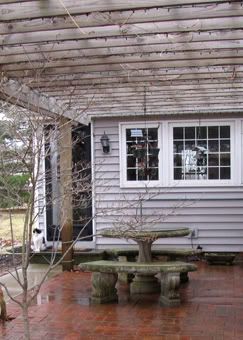
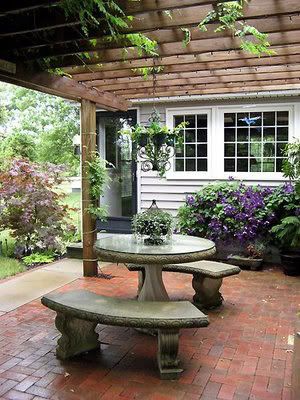


The photo on the left was taken today, after I'd cleaned things up. The one on the right was taken in June 2007 (and was featured in the August 2008 issue of
Old House Journal magazine). I'm looking forward to seeing it look like that again in about three months. Patience!


More tasks completed were:


  • Fluffed up the mulch in the beds that had gotten compacted from the snows of winter.
  • Cleaned the dead plants out of the flower boxes on the front porch railing and the large planter on the front porch.
  • Hung the porch swing back up.
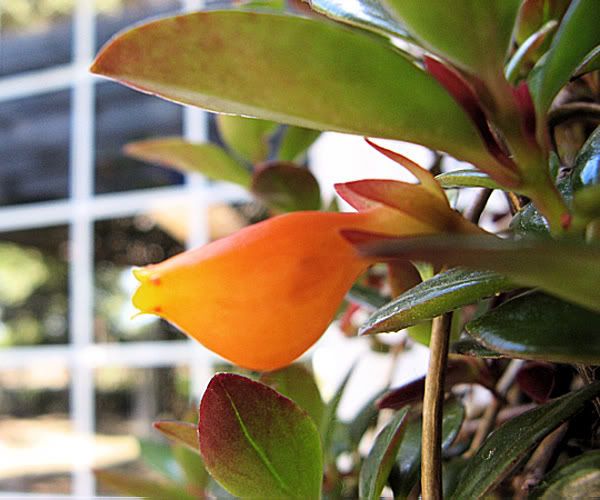
  • Repotted the Goldfish plant (Nematanthus gregarius) - much easier to do outside, because I'm very messy!


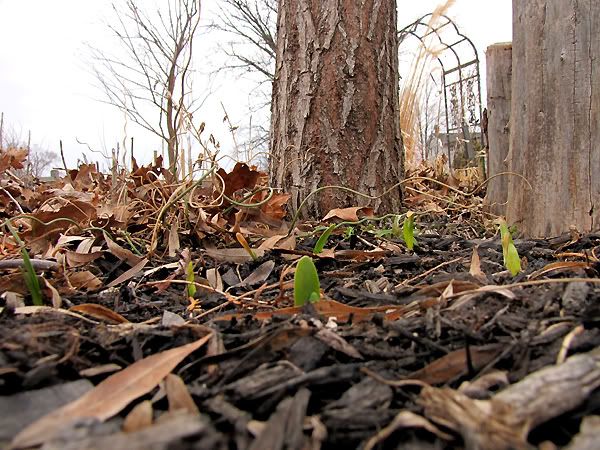
As I was working in and around the gardens, I noticed the many signs of spring that at first glance aren't obvious. The Sedums are well on their way. The Hellebores have several thick shoots of new growth, and the Arum italicum are poking their heads out of the ground.


Crocus kotschyanus

The fall-blooming crocus are coming up at the base of the Sweet Gum tree, and will have nice grass-like foliage until summer, when they will go dormant. In the fall, there won't be new foliage, but there will be fragile, pale lavender blooms. Strange plant, that.

It was a wonderful day spent outside working, but it didn't seem like work, really. Things needed to be done and it looked much better when I was finished, but all of that took a back seat to the joy of being able to be outside without a coat and breathe in the fresh, earthy scent of spring, while listening to the nuthatches and other birds singing praises.

Oh, I almost forgot! Look what I saw today on the Witch Hazel (Hamamelis vernalis):


When it's in full bloom, I'll post a photo of the entire shrub in all its glory.

Thursday, March 5, 2009

Whole Lotta Heavin' Goin' On


As we get teased by the warmer days of early spring - only to get chills from lingering cold days - we wander about in our gardens, looking for signs of life. We know they're there, hiding under the mulch and dead leaves, but we impatiently want to see them.

Faith wears thin right about now.

But look closely, and pay attention to the indirect signs that spring is happening right under our noses. Look even closer and it's unmistakable. One of those signs is heaving.

Unless you live in a climate where the ground goes through a freeze/thaw cycle, you likely don't experience this in your gardens. But to us northerners, it's all too familiar. And just what heaves? Plants, bulbs, plant markers, stepping stones.

As the ground freezes, it expands due to the moisture contained in it. (Think of what happens to a can of pop when you leave it in the freezer too long.) As spring begins to take hold, the frozen ground thaws a bit on warmer days, then refreezes on the colder ones. Plants such as Heucheras eventually end up with their crowns rising out of the ground.

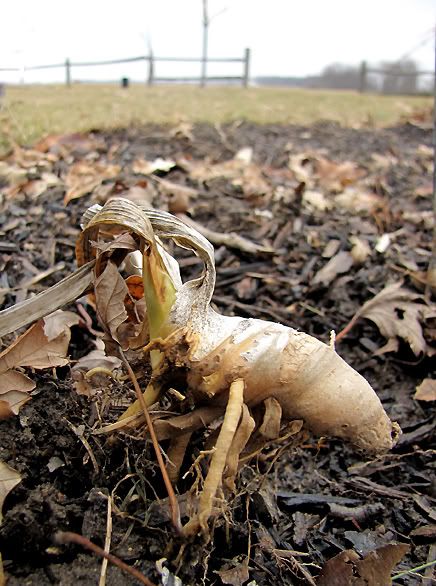
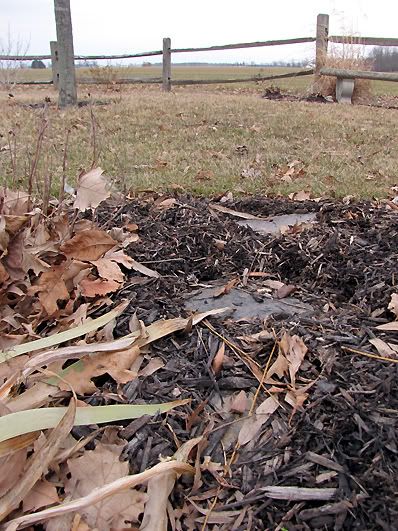
When I was walking out through the gardens today, enjoying the 63°F temperature, I noticed some heaving had occurred. Iris rhizomes reminded me of crayfish tiptoeing through the mud.


It seems to me, that except for the root exposure, this could serve the irises quite well. Spring brings heavy rains and we know if irises are planted too deeply, they'll rot. However, for most plants and bulbs, heaving can mean death to the plant if the unprotected roots are continually exposed to the elements.

Lily bulblets lie close to the surface and can become exposed as spring approaches.

One of the best ways to prevent winter heaving is to make sure plants are mulched well. This insulates the ground from wide fluctuations in temperature. Another important preventative is to provide good drainage. The more moisture that's retained in the ground, the more you'll experience heaving.

When you see a plant or bulb that's risen out of the ground, you can gently press it back into the soft ground. If the ground is still frozen, just mound some mulch around the roots until you are able to coax them back down.


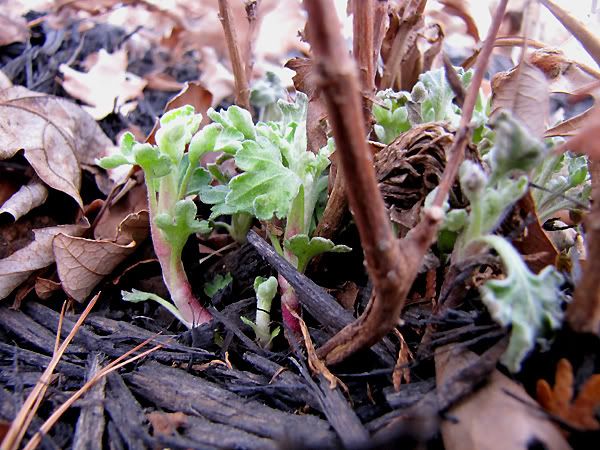
I continued my walk and noticed the mums had new growth around the base of the old plants.


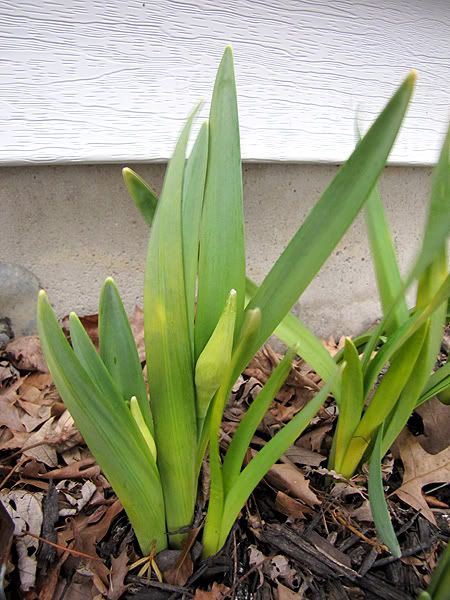
The daffodils (Narcissus hybrid) on the south side of the house are continuing to grow taller and now have flower buds!


'Sensation' Lilac (Syringa vulgaris) has swelling buds. The white Peolac has them, too.


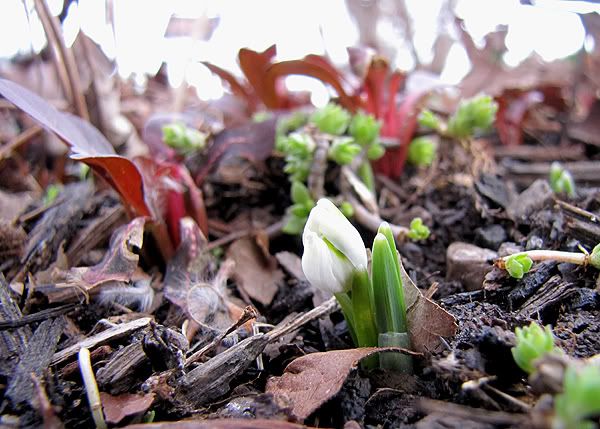
I continued to search for signs of crocuses, but didn't see a single pointy leaf of them anywhere. However, one thing I did see - and yes, just one - was this:

Galanthus nivalis 'Flore Pleno'

A snowdrop! It almost looks as if it's in such a hurry to bloom that it can't wait to grow up a little bit more.


The summer snowflakes (Leucojum aestivum) are popping up, too...


With warm temperatures in the 60s expected for the next few days, I think we'll see a lot of changes in the gardens. Maybe the
witch hazel will even open up and bloom!


"March is the month of expectation."
~ Emily Dickinson


Tuesday, March 3, 2009

Less Than Perfect Can Be A Good Thing


When we were at the Fort Wayne Home and Garden Show on Friday, sitting in on Dr. Lori's session "Trash or Treasure?" we learned a few things. She gave us tips on how to find an honest appraiser (don't choose an appraiser who also buys). But she gave us a tip that I already knew and have been employing for years, on occasion - ask the seller if they would take less for the item they're selling.

As gardeners, most of us know that the big box stores sell ripped bags of mulch at a discount, or plants that have suffered from underwatering, overwatering, or some other fate that gives them a less than robust appearance. Our plant experience serves us well here, because we can recognize those that just need a little TLC to bring them back to healthy goodness.


But what about the plants that are living on the edge? They still look fairly good, and the powers that be haven't noticed their flaws just yet. They're still selling at full price, but you know they're going to end up on the half-price shelf in the end. Who wants an orchid that has a broken flower stem, when there are a dozen more on the same shelf that don't?

*raises hand*

Friday night, after returning home from the home and garden show, Romie and I turned around and went back to Ft. Wayne, where we joined our girls and their husbands (and a few others) to celebrate Adam's birthday. We got there early, put our name in for a table for eleven, and ran over to Walmart so I could buy a card. There, greeting us as we walked in, were several lusciously green Phalaenopsis orchids.


There must have been a couple dozen of them, all wrapped in their cellophane sleeves, selling for $15. They had beautiful, unblemished leaves and were all heavily loaded with lemon-lime blooms. I am drawn to green flowers for some reason and I wanted one. As I picked through them, mentally eliminating this one, then that one, while also trying to make a decision about whether I would purchase one or not, I saw it.


"It" had nicely branched flower stems like the rest of its buddies, but was suffering from a broken branch. The mishap had probably occurred recently, because the flowers on the wrong end of the break still looked fresh and perky. There was even a bud that wasn't open yet and it didn't have that dull, wrinkly appearance they take on when they are no longer receiving their life's blood.


Hmmm... I wonder if they'd sell it to me at a lower price because of this? Can't hurt to ask, right?

I took the orchid to the check-out and asked if they would discount the orchid due to the broken stem. A phone call was made to a manager, and the verdict was, "Ten dollars." I thought for a moment and agreed. Ten dollars for a basically healthy orchid was a bargain, even with a broken stem. While I wasn't likely to pay $15 for an orchid with all healthy stems, given that I already had several orchids at home already, this was just too good to pass up.

Dr. Lori would be proud.


blogger templates | Make Money Online