
Thursday, March 20, 2014

The Green Cycler: A Review


We've been recycling at our house for many years now. It just seems second nature when disposing of things to go to the garage and put them in the proper bin: glass, paper, aluminum, plastic. We never forget and if I'm upstairs and happen to finish a Diet Mountain Dew, I have feelings of guilt if I'm tempted to toss the can into the trash up there, so I carry it down with me and put it in its proper place.

Composting food items hasn't been ingrained in me for that long, however. It's only been in recent years that I've actively done this. And I say "I" because Romie isn't as on board with it as I am yet, but he's doing better.  For the last two years, I've kept red wiggler worms in my office and they've been happily chowing down on leftovers I feed them, giving me worm castings to feed my plants.

http://www.thegreencycler.com/
Sometimes I have to chop things up so they'll fit better in the worm bin and so it won't take as long for the worms to do their thing. Last year, I received a product for review that makes that job easier and less messy.

The Green Cycler is a handy little pre-composter that I simply put my leftover food items in and with a few cranks of the handle, they're sliced and diced to the perfect size for either my red wigglers or the outdoor compost bin. Smaller pieces means quicker decomposition and the sooner I'll have compost for the garden.
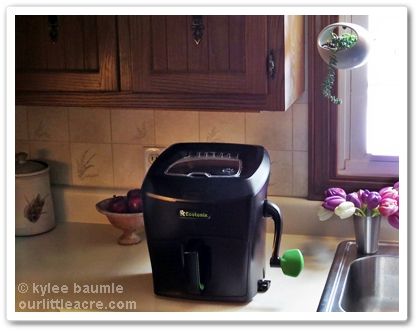

The Green Cycler is designed to be kept on the kitchen counter so that it's always at the ready for your compostable kitchen scraps. My kitchen is rather small and counter space is premium real estate there, so I keep it just outside the door in the kitchen that leads to the garage. But Ecotonix made the Green Cycler with the kitchen in mind.

It was super easy to assemble out of the box, and comes in several contemporary designs. Because of the cranking action required to chop your food items, they put suction cups on the bottom to secure it to the counter top.  I found these to be helpful, but I still had to hold it down on the top while cranking because the suction wasn't strong enough by itself.
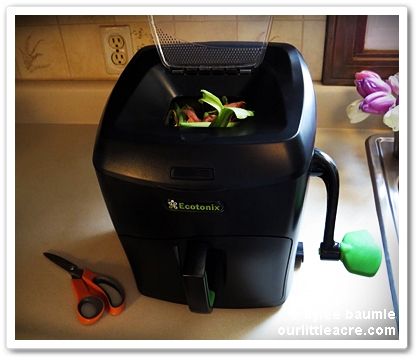


Inside, there are blades that rotate and chop. When I put the first items in, which were actually not food items, but stems and flowers of a tulip bouquet I'd received a week before, the stems were a tough assignment.  But the Green Cycler is designed to handle it, in spite of the stainless steel blades not being sharp.  I simply had to run the crank in reverse and by alternating forward and reverse, it got the job done in fine style.
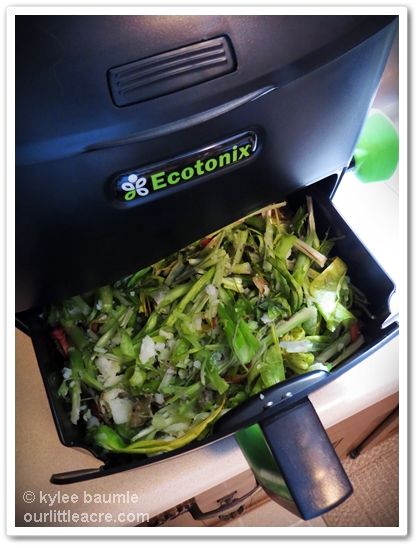
The Green Cycler prepared a killer Tulip Salad for the worms!

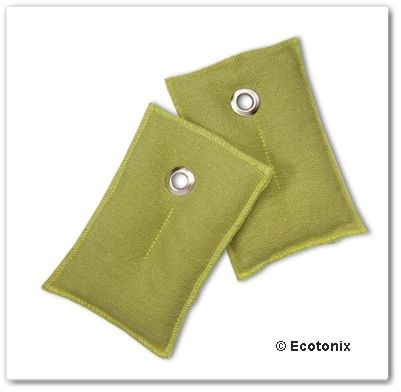
The ZeoPack controls odor in the Green Cycler.
As with any composting product, odor can be a concern. The collecting bin is small and they recommend emptying it just as soon as it's full, but until it is, there is a replaceable filter called a ZeoPack that that absorbs any odors.  I have to say I was skeptical about that, but it works! Only if I put my nose very close to the opening of the top did I detect anything and that was when the lid was open.  With it closed, I didn't notice a thing.

The  ZeoPack contains zeolite - natural crystals that absorb moisture and odors. It's non-toxic and reusable.  To "recharge" the ZeoPack, you simply hang it outside in the sun, which causes the zeolite to release the trapped moisture and odors. It's reusable for years, and when it does need replacing, you can snip off the metal grommet (used for hanging while recharging) and toss it in your compost bin, because it's biodegradable. (Ecotonix thought of everything, didn't they?)

I found the Green Cycler to be very easy to use and to clean, and considering what it does, it has a small footprint. I think kids would enjoy getting in on the act too, because they can watch the chopping through the clear lid on top

Today, the Green Cycler is making its appearance in The Grommet's Product Pitch 2014 Finals in Boston at Fenway Park. The Grommet is instrumental in bringing great new problem-solving products to light and provides help to the makers of new products they believe in. The Green Cycler was voted into the finals by people like you and me and is competing against seven other new products for a spot in The Grommet's line-up of offered products for sale.

To learn more, visit the Green Cycler website.  You can follow the festivities at Fenway today from 11:30-12:30 EDT, as it's being live-streamed here.

UPDATE:  The Green Cycler won!  It will now be offered for purchase on The Grommet.  CONGRATULATIONS!

________________________________
I received the Green Cycler free of charge for the purposes of testing and review.  No further compensation was received. All opinions stated here are my own.

Monday, December 10, 2012

Gardener's List of Gift Ideas


In case you're still stumped as to what to get the gardener on your gift list this year, here are a few suggestions:

Flower Press  
5-inch for $25.50 / 9-inch for $47.95 

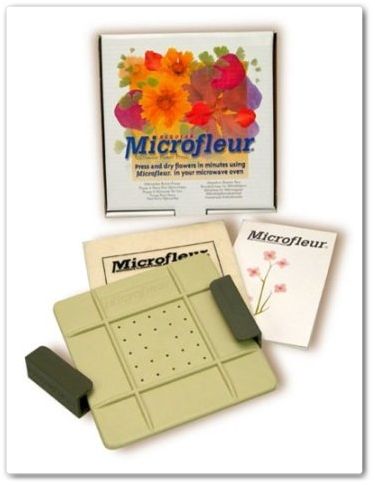
It’s been my wish for several years to create my own herbarium, much as poet Emily Dickinson did in the late 1800s. Gathering specimens of flowers and plants from my own garden is a way for me to preserve the beauty and memories in a way that photographs cannot do. A flower press makes it so much easier and this one by Microfleur uses the microwave. I’ve had one for years and can attest to its ease of use and the good job it does. 

I have the 5-inch version, but it comes in a 9-inch size as well.


Online Herb-Drawing Class 
$50  from Val Web at The Illustrated Garden

Val Webb is the kind of artist I wish I could be. Her illustrations are charming and life-like and I never tire of seeing what she’s created. She’s also very generous. This year, she’s been providing illustrated monthly calendar pages that you can print out, free of charge. So when she announced an online class to learn how to draw six culinary herbs, I knew this was going on my Gardener's List of Gift Ideas. 


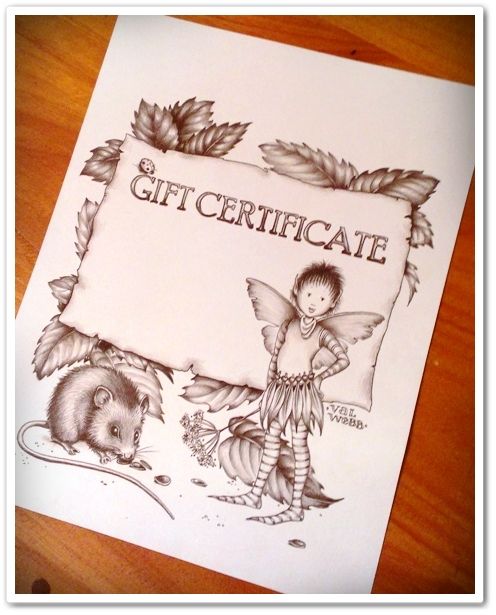
For just $50, beginning in January (through May), you can have access to videos and printed instructions on how to use colored pencils and watercolors to create your own art, at your own pace. She’ll also talk about the history of these herbs, and as long as supplies last, she’s sharing seeds from her own organically grown herb garden! For gift-giving, you'll get this beautiful gift certificate for the classes.

To sign up, visit her website, where you can also find more detailed information. 


Corona 1-inch Bypass Pruners with Adjustable Handle
List price: $26.11 ($21.25 at Amazon)


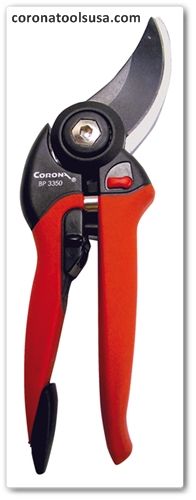
I have a lot of Corona tools in my tool shed, and I can honestly say that I like all of them. I'll also say that I have pruners from several different companies and there are a few that I especially like, including this one from Corona. All my Corona pruners work very well, but what makes this one a step above is that it's adjustable for smaller hands, like mine.

One pair of pruners is never enough for a gardener, so even if you know your favorite gardener has a pair of pruners already, you might want to think about giving a pair of these as a gift. They're perfect for that, because unlike many other pruners, one size really does fit all. 


Reusable Produce Bags 
5 color-tagged bags for $11.00. ($8.10 at Amazon) 


These see-through mesh bags from flip and tumble are great for storing fresh produce in and out of the refrigerator. You can take them to the grocery with you, cutting down on use of the plastic bags provided there. Of course, you can use them for lots of other things too and they’re machine-washable. I use mine all the time. 


Hanging Art Basket 
List price: $29.95 

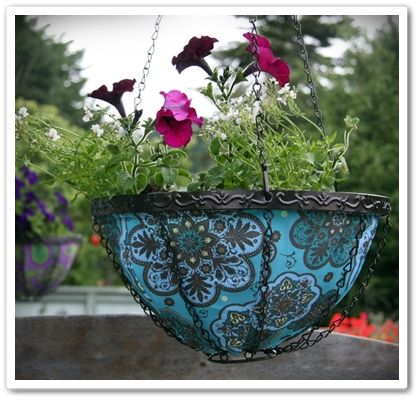
Here’s something fun and funky! Toland Garden Products makes hanging baskets from the same UV-resistant fabric that outdoor flags are made from so they resist fading. There is a plastic liner with a drainage outlet and the entire thing collapses when not in use. The 14-inch baskets come in several patterns: Blue Marakesh, Paisley, Sunburst, By the Sea, Patriotic, Dragonfly, French, Spring Fuchsia, Garden Scallops, Damask, and Spring Blooms. 


Dramm One-Touch Shower and Stream 
List price: $16.99 

Truth be told, I’m a HUGE fan of all things Dramm. I use several different types of their handheld watering devices, their oscillating sprinkler (which is what turned me on to them in the first place), and this last summer I started using their ColorStorm hoses. Believe me when I say I’ve tried numerous watering devices and when you tally the score at the end of the day, Dramm comes out WAY ahead. 

This One-Touch Shower and Stream watering nozzle is one of my favorites. The shower setting is perfect for watering containers and flower beds, while the stream setting gives a stronger shot of water when you need it for cleaning things off. But what I love the most about it is the way you turn it off and on. The swivel bar on top is easy to use and it never gets loose or stuck. And like other products in the ColorStorm line, THEY COME IN SIX DIFFERENT COLORS! (Blue, green, red, orange, yellow, and purple. I'm a red girl myself.)


Tabletop Terrarium 
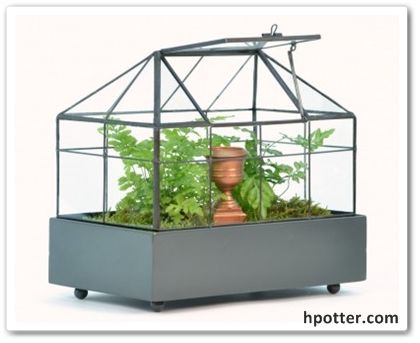
9"L x 5.75"W x 8.75"H Rectangular Terrarium $69.00 

Another favorite vendor of mine is H. Potter, which sells the most beautiful objects for your inside growing and out. I met Jerry Peed, the owner, at a trade show and found him to be personable while being very focused on carrying unique and high-quality products. I drooled all over his booth full of terrariums, trellises, and the like, and put several on my wish list. 


I already had an H. Potter terrarium and didn’t even know it when I purchased it at Longwood Gardens in 2006. I now have another, which is a tabletop Wardian case-type that is perfect for growing succulents. Usually, succulents aren’t recommended for enclosed spaces since they don’t like high humidity, but this one has a vent, allowing the potting medium to dry out sufficiently and excess humidity to escape. 

Check out all the wonderfulness that is H. Potter; this is just the tip of the iceberg!


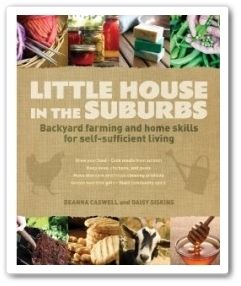
Little House in the Suburbs by Deanna Caswell and Daisy Siskin 
List price: $22.99 ($15.63 on Amazon) 

I’ve read a lot of books this year, gardening and otherwise. Each focused on a different aspect of gardening, and it’s hard for me to pick just one that stands out as my favorite new book of the year. But I have to say that the one that gave me the most usable information presented in the most entertaining way while keeping it real was Little House in the Suburbs. 

Not everyone has the desire to be self-sufficient, but if you’re a gardener, you likely practice some aspect of it already. And if you don’t, you’re thinking about it. This is a good place to start. You can read my review here. 


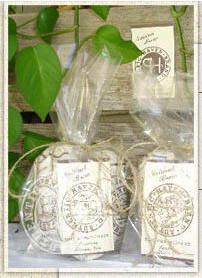
Haven Brand Compost Tea
3-pack assortment for $12.95 w/ Free Shipping


The 3-pack of cow, horse, and alfalfa compost tea makes a great stocking stuffer and I swear by the cow version for my houseplants. Until I started using Moo Poo Tea, I never got a single orchid to rebloom. Now I've gotten nearly every single one to rebloom, including the Bratonia (formerly Miltassia) Shelob 'Tolkien'.  

Bratonia (formerly Miltassia) Shelob 'Tolkien'

Annie Haven is at the helm of this family-owned business, which she learned from her father while growing up in southern California. The manure comes from natural pasture-fed livestock, so you can be comfortable knowing you're using an all-natural product.


Membership to AHS (American Horticultural Society)
One year membership for $35.00


I’ve said before that this is one of the best values going in gardening. For just $35, you get all this: 

  • The American Gardener magazine — six issues featuring the very best horticultural information, the latest plant selections, and practical advice to help you be a better gardener.
  • Reciprocal Admissions Program — offers you free admission and other discounts at public gardens and arboreta across the nation. (This alone is worth the cost of membership!)
  • Seed Exchange Program
  • Exclusive online gardening resources — read past articles from The American Gardener on their website.
  • Special discounts on all AHS educational programs.


Clarington Forge Planting Spear

$69.00


I cannot tell you the number of times I reach for this skinny little shovel when I’m in the garden. I use it for planting and transplanting in tight spaces and for planting bulbs. It’s great for removing deep-rooted weeds like dandelions and thistles. It goes deep and it’s forged, so it’s got some heft to it, making it perfect for just about any job where a larger shovel won’t do.

Clarington Forge is one of the very few companies left that makes forged garden tools (they’ve been doing it since 1780!) and these are tools that you’ll have for a lifetime. 


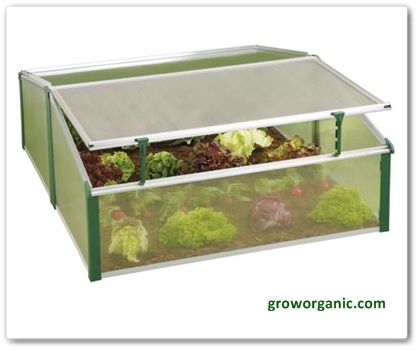
Cold Frame 

$139.00 and $149.00

I just ordered a cold frame from Peaceful Valley Farm last week. I used to have one that we made from some old windows, but that was something we threw together quickly and it only lasted a few years. And there was always the issue of lifting the lid to vent it when it got too hot. Sometimes I remembered and sometimes I didn’t. 


I want to grow some spinach in it over the winter, or at least earlier in the spring and later in the fall. We love fresh spinach for salads, along with hard-boiled eggs from our chickens. (Add some raisins, sunflower seeds, shredded cheddar, bacon bits and poppy seed dressing – YUM!) 

Peaceful Valley has a couple of styles of well-made cold frames by Juwel available. To solve the problem I had with venting, I also ordered an automatic vent opener. I thought the prices for both items were very reasonable.


Worm Factory 360
$119.95

Nature's Footprint has the perfect solution for growing your own red wiggler worms. Why would anyone want to do that? Two reasons: it's a great way to get rid of kitchen waste and you can use the worm by-product (that would be their poop) to feed your plants! That's right - more poop for the garden!


I have a Worm Factory 360 in my office and contrary to what you might believe, there is no smell and I have no fruit flies. Those worms are pretty efficient at taking care of whatever I put in their bin. You can read about my first weeks with the Factory here. I've had it for about six months now and it's pretty fascinating to see how these little worms work!

Right now, Nature's Footprint has 10% off sitewide. Just use the code HOLIDAY10 when placing your order. The Worm Factory has Free Shipping, too.


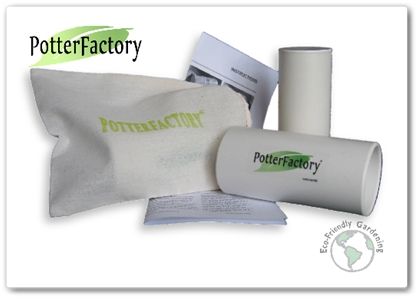
PotterFactory™ Paper Pot Maker Kit
$9.95 plus shipping

You've seen other paper pot makers, I'm sure. But what I like about this one is the cylinder that allows you to fill the pot with potting medium as a next step before removing it. It's a little thing and of course you can add soil to paper pots at any time, but this allows you to pack it in snugly without worrying about the pot falling apart or breaking.

On their website, they also have templates you can print out to make decorative sleeves for your original paper pots, in case you want to give a plant as a gift. The company that makes PotterFactory™ is environmentally conscious and operated in the United States, so you're truly buying American.


For $9.95 plus shipping, you get a 2 ¼” pot and soil block form, a 1¾” pot form and Soil Compression Tool, and a 100% cotton muslin storage bag. Instructions are included, and they have videos on their website to show you how to do it as well.


Leaf Earrings
$44.00 from Aha! Modern Living

I love botanically-inspired jewelry.  That is all.


Okay, that isn't all, and Aha! Modern Living has some other pretty cool jewelry (as well as a LOT of other awesome products for the home and garden). Go shopping!


Habitat Hotel
$59.95 from Gardener's Supply

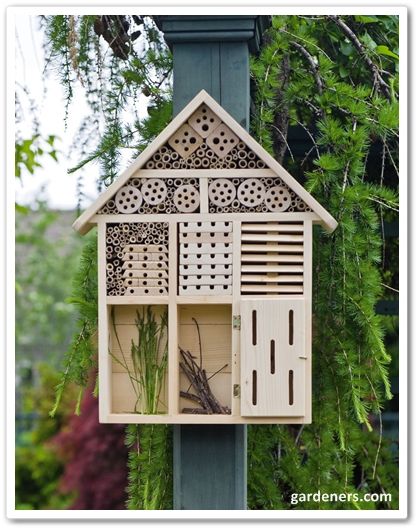
I love the design of this hotel for solitary bees, butterflies, ladybugs and lacewings - all great pollinators in the garden. Each has a different nesting requirement, which just adds to the coolness of the appearance of the pine and bamboo hotel.  I don't have one of these, but I'd like to!


Hopefully, this helps some of you with your holiday gift-buying and if nothing else, maybe you'll have a few things to add to your own list of wants. Happy holidays!


Disclosure:  I have received free of charge for review:  H. Potter terrarium, Corona pruners, Haven Brand Compost Tea, PotterFactory™ pot maker, Dramm One-Touch Shower and Stream, Clarington Forge Planting Spear, Worm Factory 360, and a copy of Little House in the Suburbs.  My opinions stated here are my own and my choice of gifts for gardeners was entirely based on my own preferences and experiences. These particular products would not be on this list if I didn't like and/or use them.

This post also contains some affiliate links. (Amazon, H. Potter, and Nature's Footprint)

Friday, October 26, 2012

Full Circle Kitchen Composter: Review and Giveaway!


Ever since we started composting garden waste several years ago, I have not looked at the garbage from our kitchen the same either. I started saving that and running it out to the compost bin, too. It's located at the very back of our acre, and that was all fine and dandy in the summer, but come winter, I would drag my feet at taking it all the way out there.

I tried saving it in a mini metal garbage can, but soon, the fruit flies appeared and made that an undesirable option. I put it right outside the back door, but then I'd forget and I'd end up sending scraps down the garbage disposal. The other problem was that the metal can got frozen to the back deck step and I couldn't take it out to the compost bin when I needed to.

So I stopped saving my kitchen scraps in the winter. It was just too much hassle.

Part of my food waste issue was taken care of earlier this summer, when I got a Worm Factory 360 and I started feeding some of the scraps from my kitchen to my worms. They're pretty efficient at eating stuff, but they can't keep up with all of it, all of the time.

Then along came the Full Circle Fresh Air Kitchen Composter!


I was sent one of these free of charge to review and I was anxious to try it, because I was really impressed with all the good things I'd read from others who had used it. No smell, no gnats, they all seemed to say.

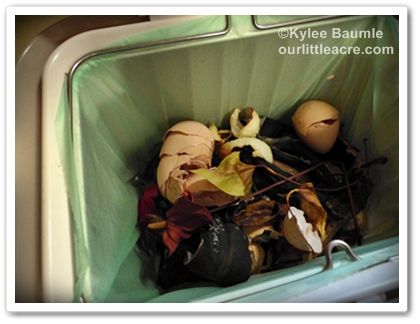
The composter is made of plastic and measures 11.4 x 8.5 x 9 inches.  It uses
special biodegradable bags for collecting the waste so you can throw bag and all
into your larger compost bin.

I kept the composter on my kitchen counter, right by the sink, so it was handy for me to add kitchen waste to it. But after about a week, I noticed a bad smell and an abundance of fruit flies around the composter. None of the reviews I'd read mentioned this being a problem, in fact, they were singing the praises of the Full Circle composter because those two things weren't an issue. Why did I have a problem?


It turns out that I didn't follow the rules - the basic rules for composting. And I knew better! There are certain foods that you just don't put in compost. Like meat. I knew that and I hadn't put meat in there. Or anything greasy. I knew that too and I hadn't added anything greasy. Eggs.

Oops.

Egg shells are allowed, but not the eggs themselves, and I'd added a couple of hard-boiled eggs that had been left in the fridge too long. Do not do this. Trust me. Ick. Ugh. Yuck.

So I started over, reviewed the list of things you can compost, and after about a week with no smell and no fruit flies, I declared the Full Circle Fresh Air Kitchen Composter a success.  The bags they use are fairly tough bags of this kind, but you should be careful when handling them and not be too rough with them. They "breathe," which allows any heat build-up to escape, as well as excess gases which may form as scraps begin to decompose. When it's full (or sooner), you just take the bag out and throw it in the compost bin, bag and all.


I discovered why they recommend disposing of the filled bags in about five days. The biodegradable bags are designed to begin breaking down when they come into contact with organic materials. Because there was no smell and no fruit flies, and because I was still feeding some table scraps to the worms, I didn't fill my Full Circle composter very quickly. After about four weeks, I began to notice a few fruit flies. Hmmmm...

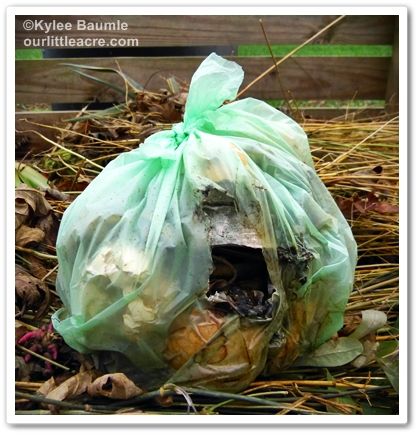
The bag doesn't take long before it
starts to decompose!
I decided to remove the bag even though it wasn't full and discovered that indeed the bag does decompose! It had a hole in it and the fruit flies had found it. So I learned what not to do and that you really should follow instructions!

I have found the Full Circle Fresh Air Kitchen Composter to be very easy to use, and that it does everything it claims to do, if you follow their recommendations for use.  I've been using it for about two months now and can highly recommend it for kitchen composting.


The people at Full Circle were kind enough to offer to give a composter to one of my readers, so here's how you can be entered to win it:


  • Leave a comment to this blog post, telling me if you compost your kitchen scraps or not. If you don't, what is the reason you don't? Even if it's just that you don't want to, feel free to tell me that. It's okay!

    AND

  • Enter your contact information on the Rafflecopter form. I'll be using this to choose a winner via Random.org and will contact the winner using the information entered there. (But don't forget to also leave a comment to this blog post!)


a Rafflecopter giveaway


You can read more about the Full Circle Kitchen Composter and other products the company makes, as well as where to purchase them, on the Full Circle website.

UPDATE:  Congratulations to Carolee, winner of a Full Circle Kitchen Composter of her very own! Thank you to everyone who entered and to Full Circle for providing the composter both to me and to the winner of the giveaway!
___________________________________________
*Full Circle provided me with a kitchen composter free of charge. My experience and opinions stated here are my own.
Saturday, June 23, 2012

Worms Eat My Garbage ... and Then They Poop


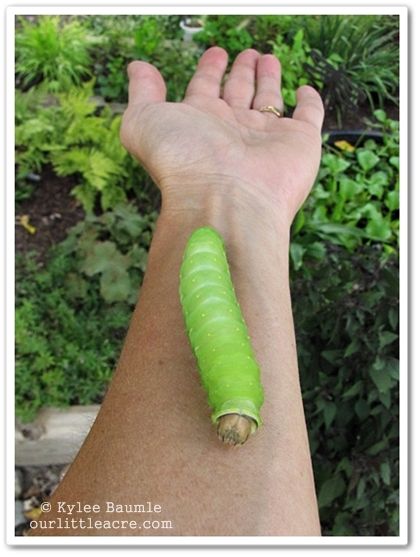
Polyphemus moth caterpillar on my arm.
It's a big 'un!
I wasn’t kidding when I said that gardening will cause you to do other weird and wonderful things you never thought you’d do. (See photo at right.) Okay, so I didn’t exactly put it that way, but that’s kind of how it is, except that they’re only weird to non-gardeners. We tillers of the soil understand each other and we get it when someone decides to keep 1000 worms in their home office.

A couple of months ago, I’d read Amy Stewart’s The Earth Moved, in which she discloses some pretty cool stuff about earthworms. (Read my review here.) I knew they played a vital role in the garden, but I didn’t know just how integral they are to life in general. Worms are awesome.

In the meantime, Nature’s Footprint had contacted me about some business thing or another and I mentioned that maybe I’d be interested, but I’d never tried their products. So they sent me a Worm Factory 360, free of charge. This is a worm composter! Just like Amy, I was going to raise a big family of red wigglers and they were going to give me nutrient-rich worm castings - that’s poop! - for my garden.

The Worm Factory 360 arrived about a couple of weeks ago and I unboxed it and looked everything over. I read the manual that came with it and started getting it ready for worms. The worms don’t come with it, so you have to either find a local source or order them online. I ordered them from Nature’s Footprint and was surprised at how much worms cost. (About $35 for a pound - that's about 1000 worms - which works out to about 3½ cents per worm. I found that to be a typical price.)

The worms came on Wednesday and while I really expected to find a bunch of smelly, mostly dead worms in the USPS box they came in, oh nooooo, they were very much alive and kickin’. Worms don’t have feet so I guess they can’t kick, but they can do backflips like you wouldn’t believe. No wonder these are called red wigglers! About that…

For vermicomposting (that’s what worm composting is called), red wigglers (Eisenia fetida) are what you want. It’s because they live well in tight quarters and they don’t burrow deeply like their cousins, the night crawler.

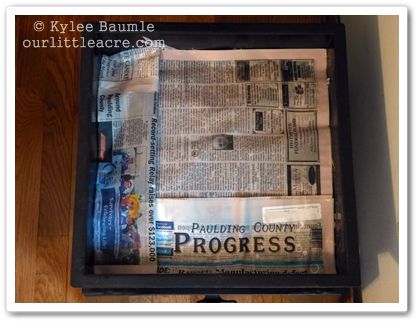
So I put everything together according to instructions…um…no, I didn’t. I was supposed to have the bin ready to go before the worms got here. I missed that part. But it’s okay – I was able to fix it, right before I added my worms. Their bedding is a mix of shredded newspaper, coir, and pumice, plus I added a cup of compost from our compost bin to get the party started.

This is the top layer of damp newspaper, on top of the bedding mix. And yes,
that's the obituary page. I didn't do that on purpose, but it's funny how things
work out sometimes.


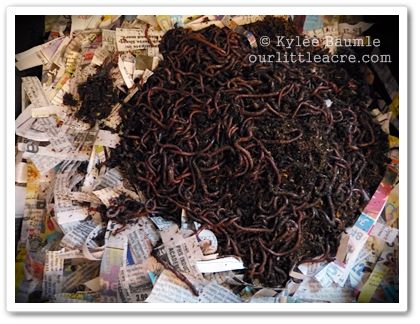
When I opened the bag of worms, it said I should hydrate them with half a cup of water. I did that. Just so you know, they don’t like it when you pour water on them. More backflips ensued.

Kinda look like brown spaghetti, don't they? Yeah. Brown spaghetti.

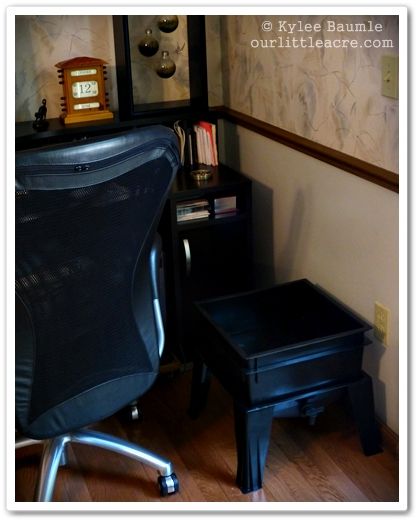
I’m keeping my worm bin in my office. My husband thinks it’s a good place for it because he wants nothing to do with this worm business. That’s what he said about the chickens too, and now he loves them and talks to them. But he issued a warning: “I’d better not find worms crawling all over the house.”

No worries. Red wigglers don’t like light so they’ll stay deep down in the bedding material where it’s dark and damp. I did have a couple of uh-ohs though. When you first put your worms in the bin, you’re supposed to cover them with damp newspaper and leave the lid off, to encourage them to burrow down. I forgot, and I put the lid on. When I checked on them a little while later, several had crawled out over the edge. I just scooped ‘em up and put ‘em back.
Then, after falling asleep on the couch, I woke up around 2:30 a.m. and I went in to check on the worms before going to bed. Well, Someone forgot to tell Someone Else that you’re supposed to leave the light on the first night, again to encourage them to crawl deep into the bedding, and one of those Someones turned the light out. Unfortunately, seven casualties were located at various spots on the floor. One was still wiggling, so he/she (it’s kinda both – more on that in a bit) got put back into the bin. I made a note for Someone Else so that he wouldn’t turn the light off when he got up for work.

Which matters more? Saving energy or saving worms?


Worms will eat half of their own body weight in a day, so depending on how many worms you have (there are about 1000 in a pound), you could probably put your garbage disposal on Craig’s List. Fruits (except for citrus), vegetables, shredded paper (goodbye, junk mail!), and dryer lint (yes, really) are all nummy treats for worms. My worms’ first kitchen treats were an overripe banana and a cucumber that got forgotten in the crisper drawer.

I hope my worms like cucumbers because those always get forgotten
in the crisper drawer.


“Don’t the worms smell?” you ask. No, they don’t. As long as you keep the moisture level where it should be (damp, not sopping wet) and don’t feed your worms meat and fatty items, the smell is similar to that of good compost. I happen to love that earthy smell. It reminds me of walking through the woods. It’s not strong though and you can only smell it when you get your nose down near the compost.

In about three months or so, there should be enough worm castings that I can harvest some and use them as fertilizer for my plants. And because worms are hermaphrodites (each worm has both sex organs, although it still takes two worms to make baby worms), they’re highly successful at reproducing. We’ll have more and more worms, and our vermicomposting will get ever more efficient as time goes on.

I know. My calendar is ridiculously off.

I never in my wildest dreams, even as a child, thought I’d be raising worms in my house. Raising worms, PERIOD, for that matter. But it’s just another fabulous side trip in this journey called gardening. Never a dull moment!

~~~~~~~~~~~~~~~~~~~~~~~~~~ 

I just have to ask…have those of you who vermicompost ever had this song pop into your head as you were tending to your worms? (Maybe it’s just me…)

 “The worms crawl in, the worms crawl out
The worms play pinochle on your snout…”

Sunday, October 17, 2010

Leaves - To Burn or Not To Burn?


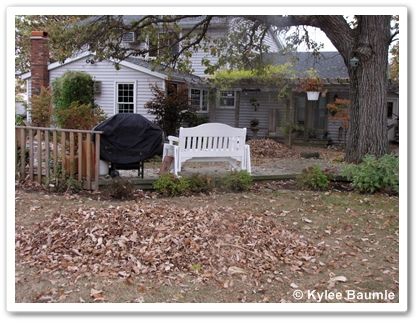
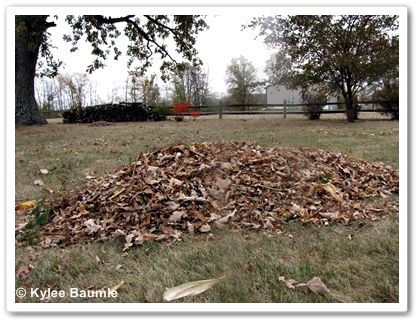
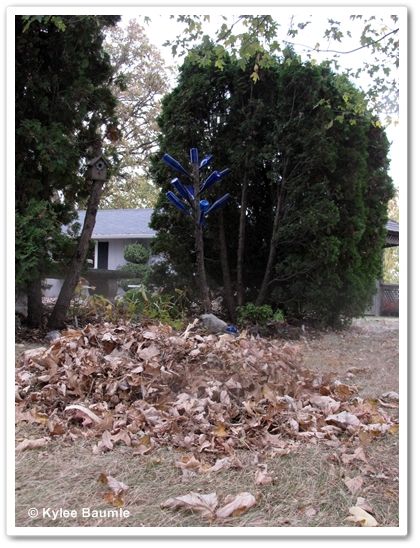
Leaf pile #1 (with Leaf pile #5 in the background)


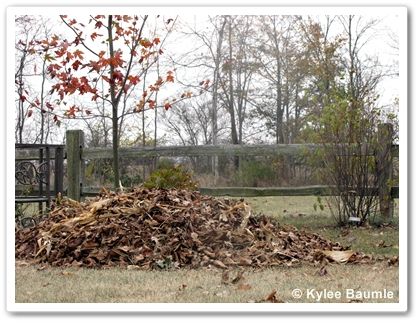
Leaf pile #2


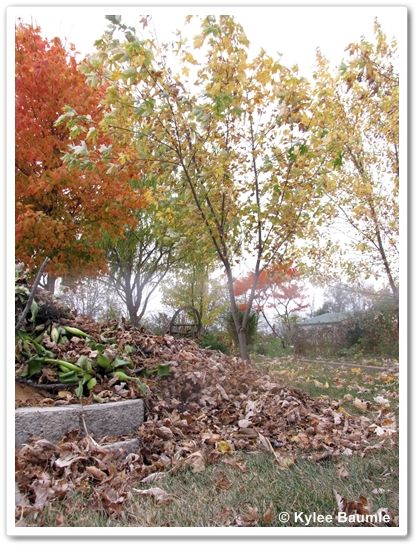
Leaf pile #3


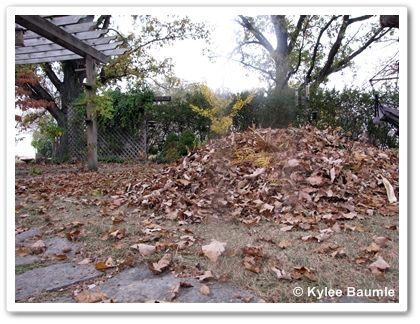
Leaf pile #4


Leaf pile #5


Leaf pile #6


And still, there's...


and


and


and


and


and


So...what to do with all those leaves?

  • Mulch - Chop them up with the lawn mower or shredder and use them as mulch on your flower beds. It's not a good idea to allow intact leaves to pile up on your beds because the layers of wet leaves can form a mat which breeds disease and provides a home for unwanted guests, like slugs. But chopped ones are fine. If there aren't too many, just allow the chopped leaves to remain on your lawn.

  • Compost - Add them to your compost bin. This is what we do with most of ours. You can add them whole, but they'll compost much faster if you chop them first. Compost needs a "brown" ingredient and this is the perfect time of year to get that!


  • Leaf mold - Just bag 'em and forget 'em! Put the leaves in a garbage bag, add a little water and store them. Makes sure there are a few air holes in the bags and if they dry out (not really likely) you might need to add moisture at some point, so just wet them with the hose. It takes about six months for good leaf mold to form. This is a great organic element to add to your soil to improve drainage.

Why not burn?


Leaves smell good when they're burning, right? Many of us associate that wonderful aroma with fall. But... (there's always a but, isn't there?) ...  that smoke contains a number of harmful toxins, most especially hydrocarbons.

Some hydrocarbons are known to be carcinogens and breathing them in contributes to known and unknown environmental factors increasing the incidence of cancer in humans. Those with asthma may find that the smoke from burning leaves is especially irritating to their lungs and hampers breathing. Leaf smoke also contains carbon monoxide.

Tuesday, June 8, 2010

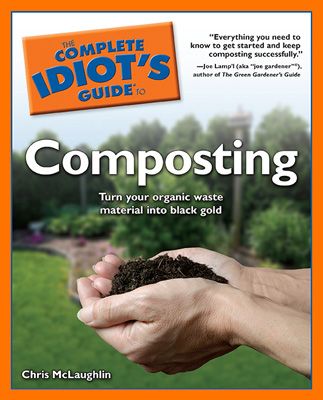
Internet Book Tour With Chris McLaughlin: The Complete Idiot's Guide to Composting


Chris McLaughlin, author of the newly-released The Complete Idiot’s Guide to Composting is passionate about compost. She’s been saving grass clippings and dead leaves for nearly 30 years and urges gardeners everywhere to do the same.

I posted my review of her book at my sister site, Gardening by the Book, but here it is for Our Little Acre readers:

This book could have been named “Everything You Wanted to Know About Compost But Were Afraid to Ask.” To some, compost might be scary stuff, but Chris McLaughlin allays those fears with her new book, The Complete Idiot’s Guide to Composting. In these days of eco-awareness, composting is enjoying a resurgence in popularity, and rightly so.

In the usual Idiot’s format, the book is laid out in easy-to-understand manner, with sections on how it works, various ways on how to do it, and what to do with it once you’ve got it. McLaughlin eliminates the guesswork and shows how truly easy and beneficial composting can be.

It’s not rocket science, since all things decompose if left on their own, but McLaughlin guides readers in how to make the most of your kitchen and yard waste. In fact, she presents the ins and outs of composting in such an inviting way that even non-gardeners will be tempted to save those banana peels and grass clippings.

I recently spoke with Chris by phone and if anyone knows their compost, it’s Chris. As we discussed the book, the one topic that we delved into the most was what to put into the compost pile. That seems to be the most asked question by beginning composters.

For great compost, a balance of greens with browns is necessary.

Greens provide necessary nitrogen:

• green grass clippings
• kelp/seaweed
• coffee grounds and the filter
• green leaves
• alfalfa meal or hay
• green prunings
• weeds (without seeds)
• human and animal hair
• old flower bouquets
• algae
• aquarium water (freshwater)
• vegetable trimmings
• tea bags
• animal manure (herbivores only)
• houseplants
• citrus


Browns contribute carbon:

• dried leaves (shredded)
• straw
• wood ash
• 100% cotton fabrics
• chipped wood
• toilet paper rolls
• dried grasses
• wrapping paper
• shredded documents
• dryer lint
• cardboard
• newspaper
• sawdust
• aged hay
• cardboard egg cartons
• paper towels


That’s a lot of “stuff.” While it might appear that just about anything can go into the pile, there are things to avoid.

What NOT to put in your compost pile:

• dairy products
• fat and grease
• pest poisons
• coal ash
• diseased plants
• garden soil (not harmful, just not necessary)
• items that don’t biodegrade, such as plastic, rubber, and synthetic materials


Composting is something that Chris is passionate about, which is no doubt why she wrote her book about it. Gardenbookstore.net will be featuring her on Wednesday night at 6:00 EDT for the third in their series of interactive interviews with an author.  Be sure to join them, and ask your own questions about composting!

blogger templates | Make Money Online