

Thursday, September 29, 2011

Flat Tire Décor Gives Your Container Plants a Unique Look


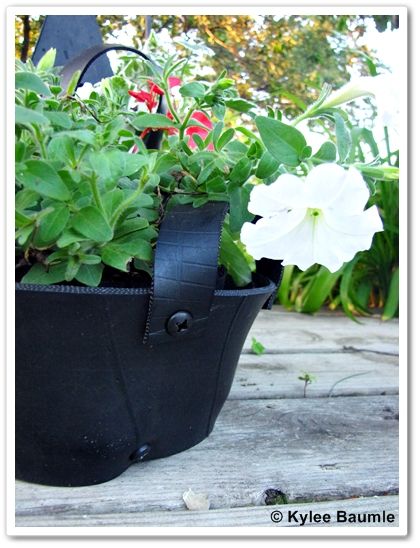
Earlier this summer, Flat Tire Décor sent me two of their unique containers. I’m a sucker for plant pots anyway, and these are extra cool. They’re made from used automobile tires! The way they’ve cut the tires and put them together is attractive and no two are exactly alike, because of the way they're made.

I decided to pot them up using some summer annuals. 
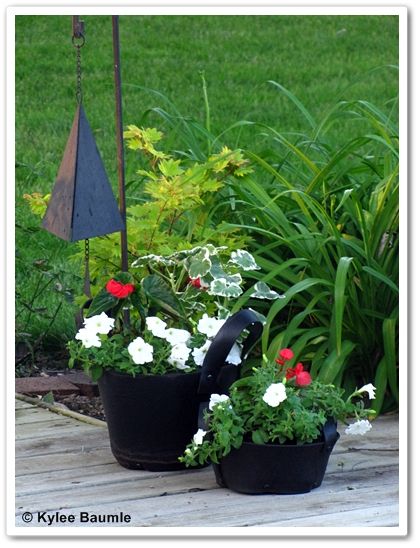
I planted these with white Wave™ petunias, angel wing red begonias, and
a zonal geranium.

I used the same plants in each one, except that the smaller one is minus the Pelargonium.

When winter comes, I’ll be bringing the containers into the house and using them in other ways. I might use the smaller one to hold our remotes. On their website, they show using one for putting beverages on ice. (They aren’t watertight though, so if you’re using them inside, you’ll want to allow for that.) The ways for using these is endless!

I like that they’re using a recycled material to make their product and that they’re being made in the US (Wisconsin). For more information about Flat Tire Décor, visit their website or you can find them on Facebook and follow them on Twitter @flattiredecor.
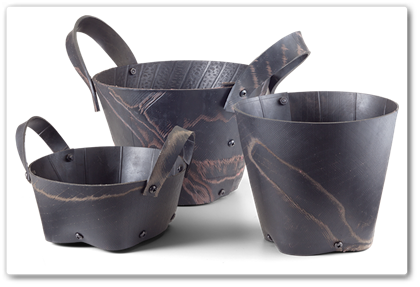
L to R: Catalina, Newport, and Venice

________________
This product was sent to me free of charge. The opinions expressed about the product are my own. If I like it, I will say so. If I don't, I'll say that too.
Tuesday, September 27, 2011

Yellow Needles on the Pines


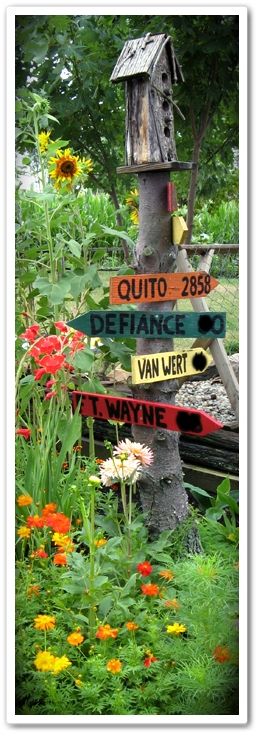
A few years ago, we lost a white pine tree. It seemed like one day it was fine and the next it was dead. Of course things seldom happen that way, and we really don't know what happened with this particular white pine. But we cut most of it down and used it as a directional and pedestal for a bird house in the garden.

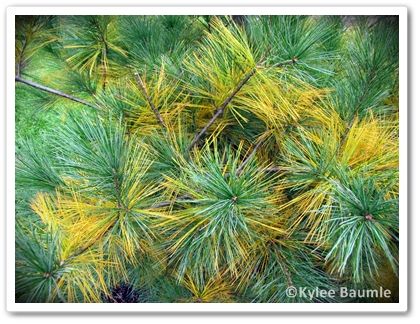
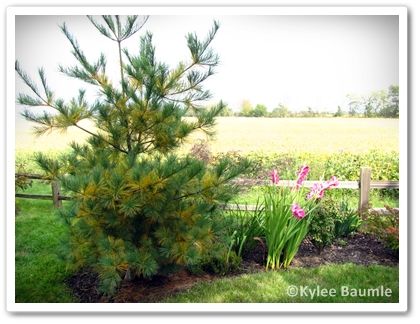
After that, we watched our other pines more closely. In the fall, we noticed that they had yellowing of some of the needles, which then fell off. Of course, we feared the worst - that we were going to lose yet another pine tree or two.

It turns out that our fears were unfounded in this instance. It's perfectly normal for white pine trees to do this. In the fall, they shed older needles. Have you ever walked through the woods where pine trees grow? On the forest floor are plenty of needles that were shed from those pine trees, creating a nice mulch for winter.


Speaking of using pine needles for mulch, I use them around my azaleas, blueberries, hydrangeas, and lingonberries. Pine needles add acid to the soil as they break down and these plants like that. In fact, one year, I conducted an experiment with the hydrangeas to see if I could get them to bloom blue.

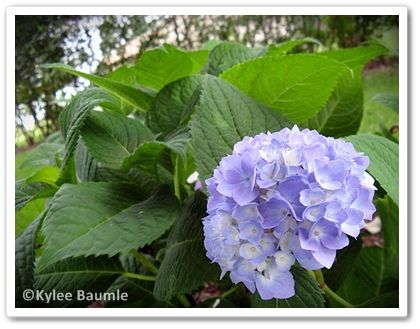
Endless Summer® Hydrangea macrophylla 'Bailmer'
Hydrangeas depend on the pH of the soil to determine the color of their bloom. If you have alkaline soil (we do), they'll bloom pink. Acidic, and they'll bloom blue. Of course it depends a bit on the species and cultivar too, but this is a general rule. I mulched with pine needles one winter and don't you know, the first blooms of the year had a bluish tint to them!
 
As the summer progressed, subsequent blooms became more and more pink. Had I continued to add fresh pine needles all summer, I'm sure they would have continued to bloom with that bluish tint.

Besides helping to change the color of hydrangea blooms, you can use pine needles to mulch these acid-loving plants:

  • Azalea 
  • Holly
  • Rhododendrons
  • Blueberry
  • Camelia
  • Dogwood
  • Gardenia
  • Lily-of-the-Valley
  • Lupine
  • Magnolia
  • Pachysandra
  • Phlox
  • Pieris
  • Raspberry
  • Strawberry

Sunday, September 25, 2011

Lovely Little Lewisia


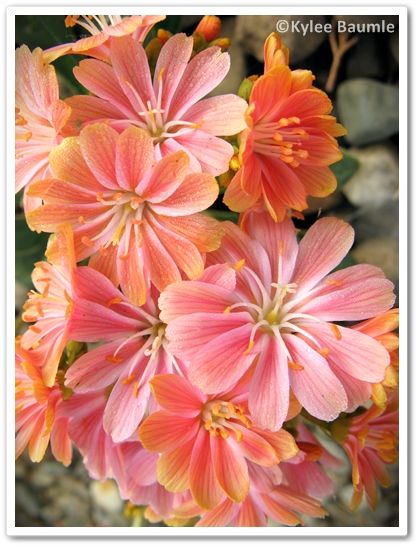
There's a sweet little rock garden plant, native to the Pacific Northwest, that caught my fancy several years ago. I first saw Lewisia (Common names: Cliff Maids, Bitterroot) on the Spring Hill website and I knew I had to have it. 'Little Plum' came to live in my garden, but it didn't live very long.

This was early in my gardening days, before I learned about growing zones. It was before I learned about clay soil vs. sandy soil. Before I learned about good drainage. It only takes a few garden losses before you are motivated to do some research to try and figure out why a plant didn't thrive in your garden.

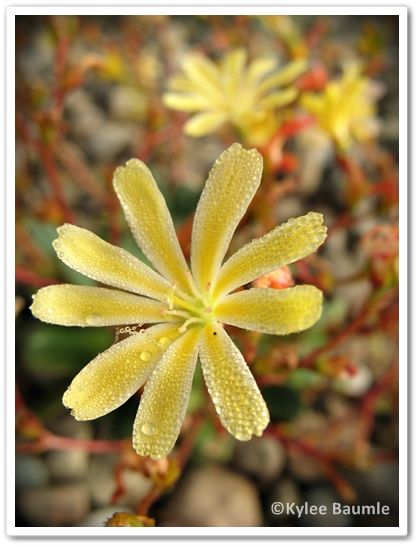
Lewisia in my garden in 2008


Lewisia is a succulent type of plant for zones 4-8 (mostly, depending on species) that likes average to poor soil and excellent drainage. The crown of the plant is subject to rotting, so using a pebble or sand mulch helps keep moisture away. It's a great rock garden plant, which is where I now have mine growing. Yes, I tried again, once I learned what lewisias need to grow well.

Lewisia in my garden in 2008
 
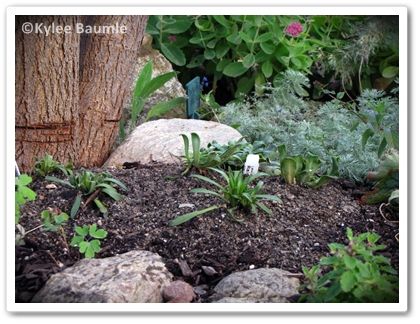
I got a few new lewisias last week at a plant sale (Lewisia cotyledon 'Rainbow Mix' and Lewisia longipetala 'Little Peach'). I planted them in a mix of sand and compost and elevated the planting area. I used pure sand around the crown of the plants. They'll get sun most of the day, although they prefer some afternoon shade. I think this will be fine in my northern garden.

Lewisias can also be grown as a houseplant. This one was a winner at the
Philadelphia Flower Show this spring.

The L. cotyledon is only hardy to zone 6, so we'll see how it does in my zone 5b garden. I've successfully grown several zone 6 plants over the years, but Lewisia can be somewhat difficult in the best of circumstances.

(Yes, we're trying to  kill the white  mulberry tree...)


Lewisia in my 2008 garden.
Like most rock garden plants, lewisias aren't large. At maturity, they're less than six inches tall and 6-9 inches wide. I've seen plants that are somewhat larger though. They bloom in late spring and early summer, with occasional light rebloom later in the season.

Here's a bit of trivia regarding Lewisia: They get their name from Merriwether Lewis (of Lewis & Clark), who collected them during the Lewis & Clark Expedition in the Pacific Northwest during 1804-1806.

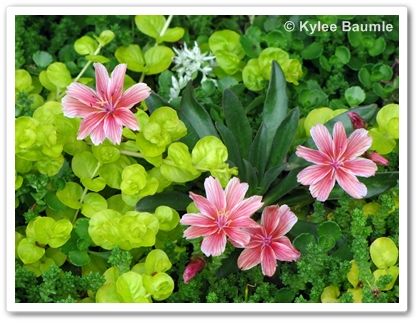
Lewisia blooming in my garden in May 2011.

blogger templates | Make Money Online