
Monday, December 14, 2015

In a Vase on Monday: A First


I have never met Cathy at Rambling in the Garden, host of the blog meme, In a Vase on Monday. I've never participated in the meme before today, but I'm familiar with it because of someone I have met.

Everything looks as if it was created expressly for Loree's garden - the plants,
the containers, the structures... She is an incredibly talented designer.

"Careful, you could poke an eye out."

Loree Bohl, who lives and gardens in Portland, Ore., has posted her version of the meme a dozen or so times. When the Garden Bloggers Fling was held in Portland in 2014, I was privileged to get to see her garden - Danger Garden - in all its spiky glory. I've long been a fan of her blog and seeing all those glorious plants in person as well as her edgy design was one of the highlights of that trip.

I don't often cut things from my garden, preferring instead to enjoy them in their natural setting. But today, as we were experiencing way above normal temperatures for the middle of December, I got the urge to go out and cut whatever I thought might go together in a vase. On Monday.

Because I don't cut things from my garden, I'm not the most accomplished flower arranger. Those things take practice. But I'm pretty happy with how this one turned out. It even looks a little Christmas-y, though that wasn't the intent.

Red is the accent color in our kitchen and dining area. Chihuly's Burned Ikebana hangs on the wall, and photos of grandchildren Anthony and Hannah keep a
handmade angel (by mom) company on the mid-century buffet.


I worked hard to find something in bloom, impossible at this time last year, which had us with several inches of snow on the ground. Though we were at nearly 70° on Saturday and Sunday this year, it will be a couple of days yet before the fall self-seeded Calendula blooms open up.


But there were some wonderful things out there just the same. I used:

  • Panicum virgatum 'Northwind'
  • Baptisia Twilite Prairieblues™
  • Washington hawthorn (Crataegus phaenopyrum)
  • Colorado blue spruce (Picea pungens)
  • Sweet autumn clematis (Clematis terniflora)
  • Coral bells (Heuchera 'Tiramisu')


The vase is one of a set of three that I purchased at West Elm in Austin, Texas,
when Jenny Peterson and I were working our book,
Indoor Plant Decor: The Design Stylebook For Houseplants

I doubt I'll participate in In a Vase on Monday again until spring comes along and I've got something different to choose from the garden for cutting. But you can follow along at Cathy's blog here.

Thanks, Loree, for inspiring me to play.


Thursday, September 10, 2009

There's Something About Me...


Though I've done memes like this thrice before (here, here, and here), I agreed to participate in yet another one when Carol of May Dreams Gardens tagged me. This time, I decided to do it in a little different format - a quiz!

See how many you can get right:


Now, enough about me! I'm supposed to tag seven other bloggers. Since this meme has been going around for quite a long time, I'm not sure who all has already done it and who hasn't. Here are the "official" rules:

  • Link back to the person who gave you the award.
  • Reveal seven things about yourself.
  • Choose seven other blogs to nominate, and post a link to them.
  • Let each of your choices know that they have been tagged by posting a comment on their blog.
  • And finally, let the tagger know when your post is up.

Let's see ... who will the next memers be? If you've already done this recently and I missed it, feel free to opt out. If you've already done it and want to do it again, all the better!

Janet of The Queen of Seaford
Kerri of Colors of the Garden
Shady Gardener of Does Everything Grow Better in My Neighbor's Yard?
Muum of Muum's Musings
Teresa of The Cottage on the Corner
Cathy of Outside In
Lona of Hocking Hills Gardener

PLEASE NOTE: You do not have to do this as a quiz! You can just list the seven things about you. I only did it this way to put a little different twist on it.

I think I've done quite enough of this meme, so this is the last one of these you'll read here from me. I mean, a girl has to keep some secrets.


Friday, March 23, 2012

Linnaeus Day: Bloodroot


I find spring to be one of the most fascinating times in the botanical world. Perhaps more dramatic in the north, as we crawl out from under winter (this year, we ran), the awakening of the sleeping underground helps us come alive, too. Each day brings a new gift.

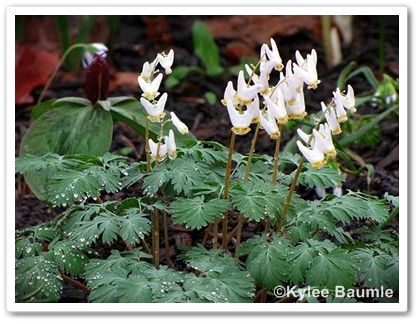
Dutchman's breeches (Dicentra cucullaria) and Trillium sessile.

This year, it was almost like when Dorothy opened the door to her house after it landed in Oz. There was no transition into spring; we went from gray and brown to a rainbow of colors in an instant. We delight in this assault to our senses, but we mustn't blink or we'll miss something. These spring flowers aren't used to sustained temperatures in the 80s and they wilt under the heat.

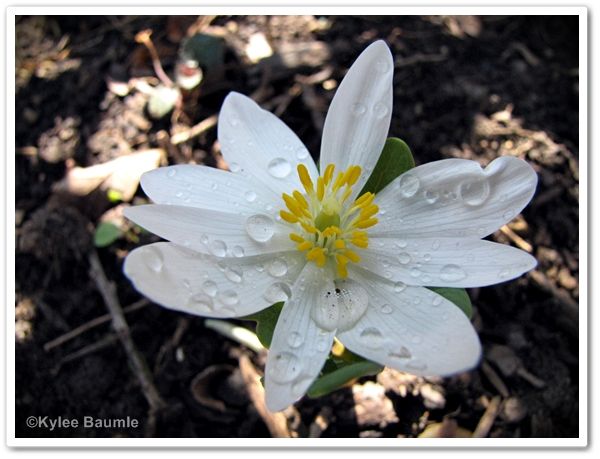
Bloodroot

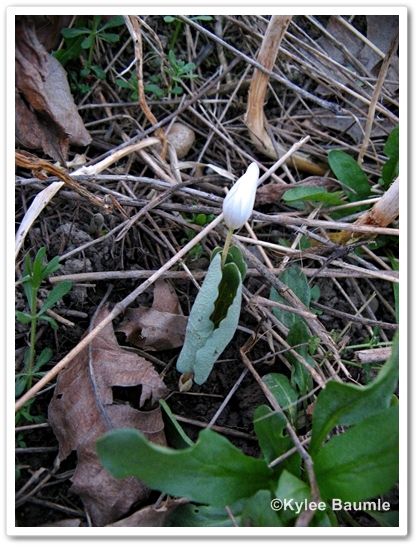
Last week, as I walked the woods and the banks of the creek near us, a small white spot caught my eye. I walked to get a closer look and the clasping leaf at its base told me it was bloodroot.

I'd never before seen it in this place that I'd walked a hundred times before. There was just one, though I knew in an undisturbed place such as this, there had to be more.


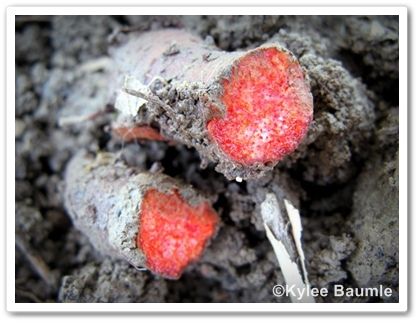
Bloodroot (Sanguinaria canadensis) is an interesting plant. It's the only species in its genus and is found in the eastern United States and Canada from Nova Scotia to the Great Lakes, all the way down to Florida. It gets its common name from its orangey-red root that seems to ooze "blood" when it's broken or cut.


Flowers appear from March to May, before the foliage, which unfolds once the bloom opens. The blooms don't last long - just a day or two - when they're pollinated by small bees and flies. The seed pod then forms, matures and opens, and the seeds are dispersed by ants, which take them to their nests, where they remain until they germinate. This process is called myrmecochory.


Deer like to munch on these plants, so perhaps that's why I never noticed them before; the location where I found the bloodroot this week is a popular deer hangout. Bloodroot is ephemeral, meaning they only last for a short time and then they go dormant and disappear until the next spring.

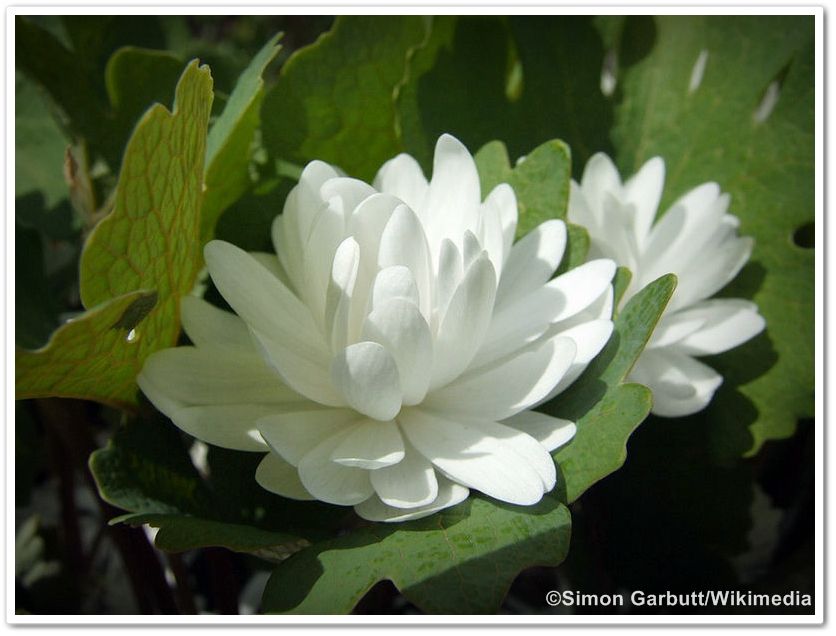
Double Bloodroot
(S. canadensis forma multiplex)
There's a double form of bloodroot too (S. canadensis forma multiplex), which I have yet to add to my wildflower garden, but if I ever come across it at a nursery in my travels, you can be sure I'll buy it.


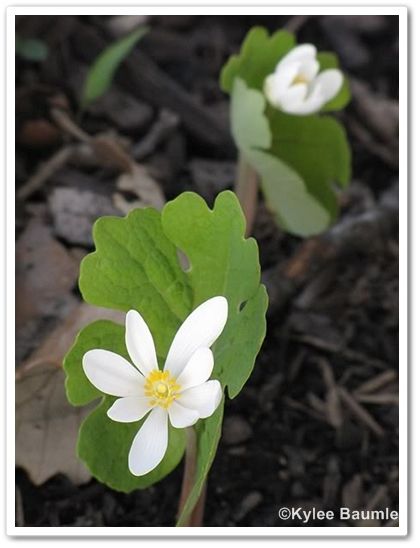
Bloodroot
Bloodroot in my wildflower garden

Botanical name: Sanguinaria canadensis
Zone: 4-9
Light: Light shade to full shade
Height: 6 inches and under
Bloom time: Late winter to early spring
Note: Bloodroot may be a protected species in your location.
Please check before relocating plants found in the wild.

~~~~~~~~~~~~~~~~~~~~~~~~~

This post is part of the meme, Linnaeus Day, created by Christopher Tidrick (From the Soil). Each month on the 23rd, garden bloggers delve more deeply into the history and characteristics of a plant in their own gardens. Visit Chris's blog to find more Linnaeus Day posts.

Monday, June 19, 2017

In a Vase on Monday: A Milkweed Bouquet


I didn't intend to put together a bouquet today, although there are plenty of flowers in bloom out in the garden. All I was doing was feeding my monarchs.

Monarch egg on swamp milkweed.

Right now, I've got a dozen monarchs that I'm raising in the house. I found 11 eggs on various types of milkweed in my garden, and one teeny tiny caterpillar that had just hatched out that day. I don't usually raise them this early in the season, but when I saw the eggs and thought about all that could go wrong if I didn't, I just couldn't leave them out there.

Newly hatched!


We're well past that infant stage now, in fact, two of them are now chrysalides, as of Sunday afternoon. That means that the ten remaining caterpillars are eating voraciously and I'd better keep up with supplying milkweed, or else.


So that's what I was doing, going through my garden and cutting milkweed to bring in for them to eat. I decided I would cut four different kinds: common, swamp, butterfly weed, and whorled. The eggs were found on common, swamp and yet another kind I'm growing - poke milkweed. But hey, they'll eat any of it.

When I put the milkweed in water, in a little vase, and was ready to put it in the terrarium I use for raising them, I thought, "Wow, that's kind of a cool little arrangement." That's why you're looking at a photo of my monarchs' breakfast, lunch, and dinner.


The wispy one is whorled milkweed (Asclepias verticillata), the yellow-flowering one is butterfly weed (Asclepias tuberosa 'Hello Yellow'), and the other narrow-leaved one is swamp milkweed (Asclepias incarnata).  In this photo, it's difficult to tell the difference between the foliage of the latter two, but in real life, butterfly weed has rather hairy or fuzzy leaves, whereas swamp milkweed's leaves are smooth.

Butterfly weed (Asclepias tuberosa) has been named Perennial Plant of the Year
for 2017 by the Perennial Plant Association. It's usually seen with orange blooms.
This one is 'Hello Yellow'.


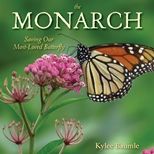
All three milkweeds are native to Ohio and many other parts of the country. It's highly recommended that you grow what's native to your area and I give you all the information you need to make those good choices in my book, THE MONARCH: Saving Our Most-Loved Butterfly.

It's appropriate that my bouquet is made of milkweed this week especially, since it's National Pollinator Week. And tomorrow, Tuesday, June 20th, I'll be a guest on Twitter's #plantchat, talking about monarchs and my new book. It starts at 2:00 Eastern, so be sure to join in!

~~~~~~~~~~~~~~~~~~~~~~~~~~~~~

* "In a Vase on Monday " is a blogging meme hosted by Cathy at Rambling in the Garden.


Wednesday, October 17, 2018

Wednesday Vignette: Coleus ColorBlaze® Torchlight™


This is my first time participating in the Wednesday Vignette meme, hosted by Anna at Flutter & Hum. I've watched my friend, Loree Bohl (Danger Garden), participate for a long time, and I always enjoy it.

When I walked around the corner of the pool house last week and saw this trial plant from Proven Winners® cozying up to my small cat statue, I knew I had to jump in myself.

Coleus ColorBlaze® Torchlight™

When I received Coleus ColorBlaze® Torchlight™ (Solenostemon scutellarioides) as a small plant this spring, I placed it on the north side of our pool house. That little flower bed spends most of the summer as shades of green and often is neglected, both in terms of care and observation. I thought by placing this colorful coleus there, it might add a little spark to an otherwise ho-hum scenario.

Mission accomplished.


Coleus ColorBlaze® Torchlight™
Solenostemon scutellarioides

Zones: 10-11
Light: Sun or Shade
Mature Size: 24-36 inches
Water Needs: Average

This new coleus will be available in garden centers in Spring of 2019.


My end-of-season evaluation

I'm a lazy gardener. When trialing plants, I usually don't give them any special treatment and in most cases, I "set it and forget it." I try to make sure new plants get the water they need, but that's about it. This coleus was planted in spring and to be honest, I completely ignored it, not even watering it as much as I should have. It also wasn't planted in the best soil - unamended heavy clay. (Shame on me.)
It has never bloomed, which I consider to be an asset for a coleus, as I remove their flowers anyway.  It still looks good, this late in the season, but if I grow it again I'll pinch out the growth tips to encourage additional branching. I would also be sure to underplant it with a low grower like the Heuchera shown here, to hide its skinny ankles. Amended soil would be a good thing, too.
It'a beautiful coleus that adds color to monochromatic spaces with little to no effort required on the part of the gardener. And that' why it's a "proven winner" in my Zone 5b Northwest Ohio garden.

___________________
I was provided with this plant free of charge to trial in my garden. Though it's not a requirement to participate in the trialing program, I'm sharing my experience and honest thoughts on growing it.


Wednesday, June 16, 2010

Garden Bloggers' Bloom Day - June 2010


Of course, we knew there would be oodles of blooms for June's Garden Bloggers' Bloom Day. It's probably the best month of the year for showing off what's flowering in the garden.  But the crazy spring weather we've had has produced some crazy blooming as well! Brown-eyed Susans blooming at the beginning of June?
We've had more rain and higher temperatures than normal for an extended period of time and that has produced jungle-like conditions in the gardens.  Mosquitoes included.  No matter what time of the day you go out there, you're sure to be bitten and if you happen to be pruning shrubs in the shade, you're taking your life in your hands as the mosquitoes swarm you like angry bees.

Does that sound like I'm complaining?  Okay, just a little bit, because I can't think of a single good reason that God put mosquitoes on the face of the earth, but who can complain about these:


Gaillardia 'Tizzy'


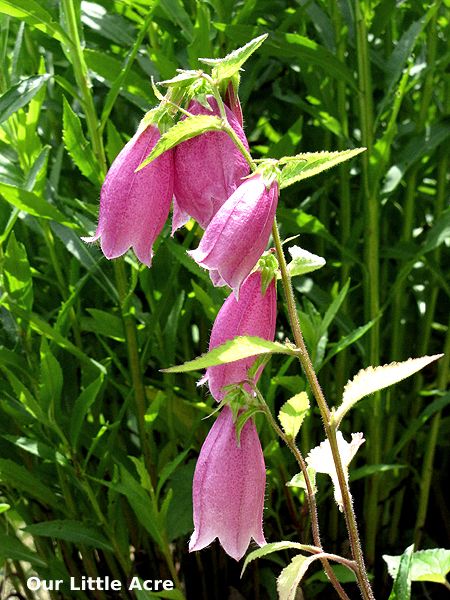
Campanula 'Cherry Bells'


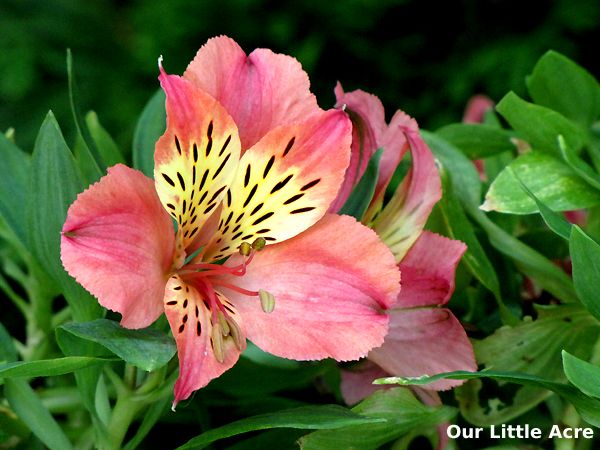
Alstroemeria 'Princess Zavina'


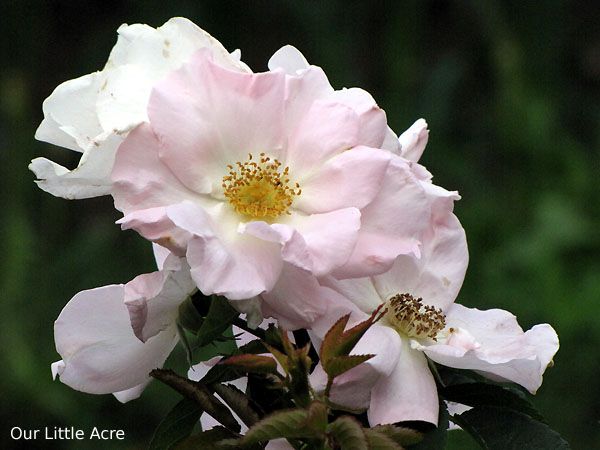
Rosa 'Morning Magic'


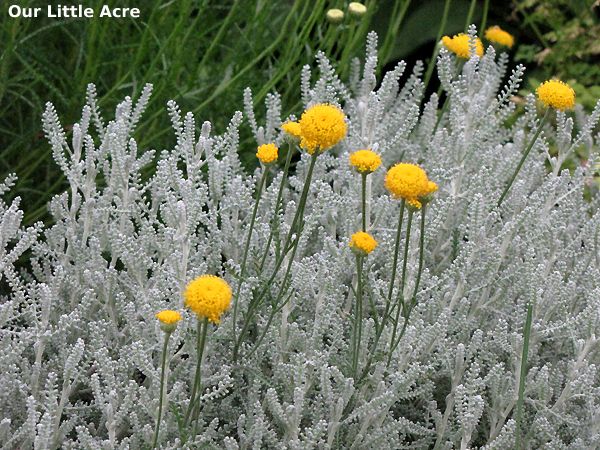
Gray Lavender Cotton (Santolina chamaecyparissus)


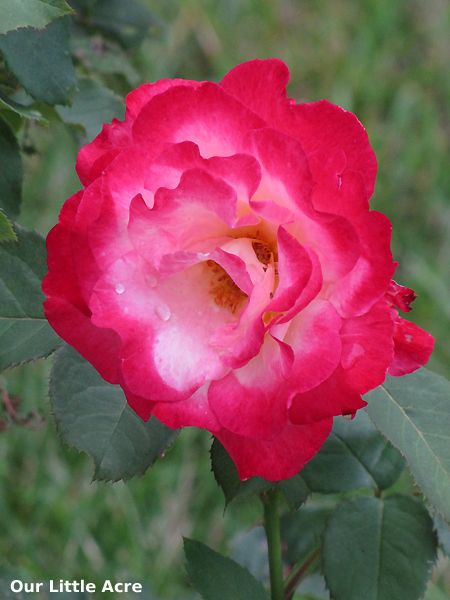
Rosa 'Kordes Perfecta'


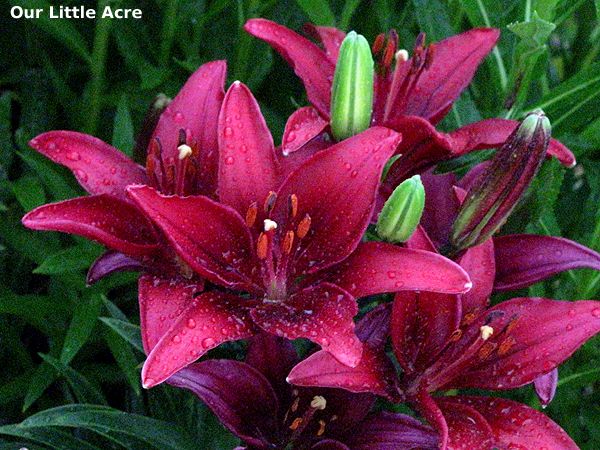
Asiatic Lily 'Tiny Ghost'


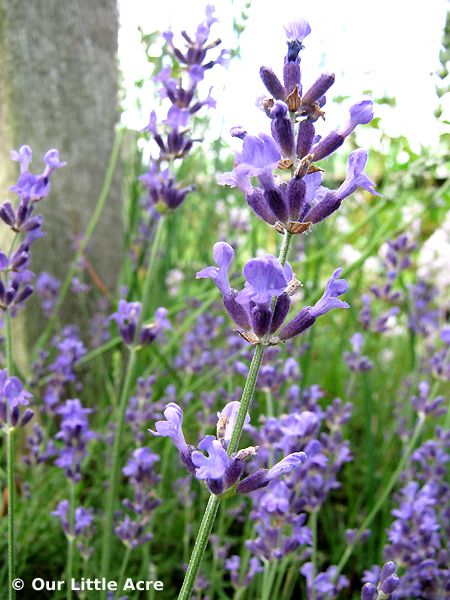
Lavender (Lavandula sp.)


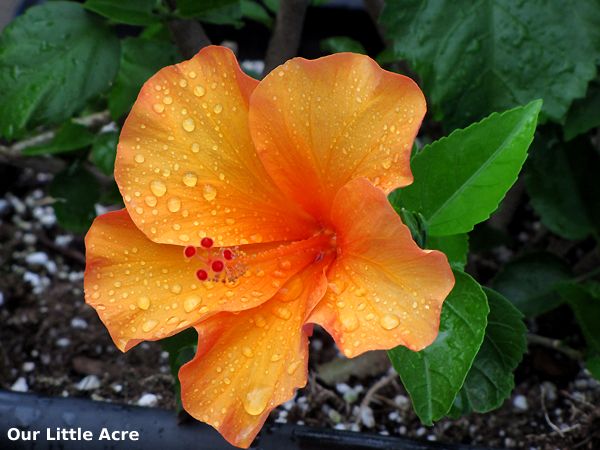
Tropical Hibiscus


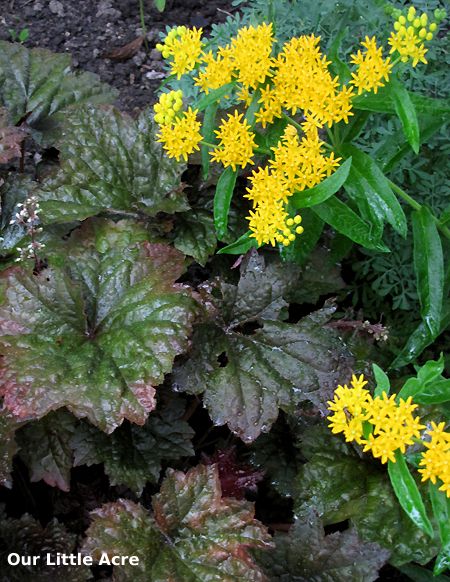
Heuchera 'Palace Purple' with Butterfly Weed (Asclepias tuberosa 'Hello Yellow')


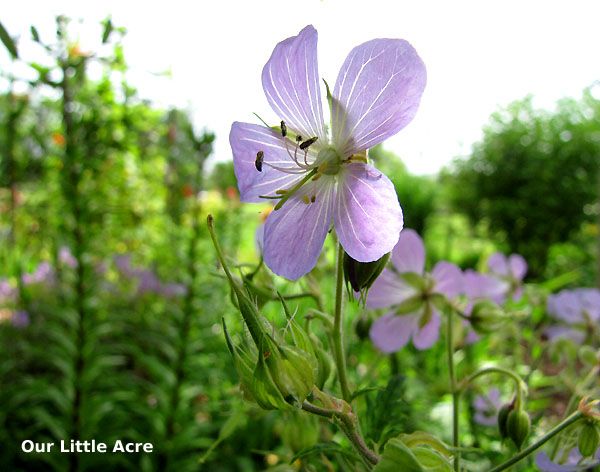
Geranium (No ID)


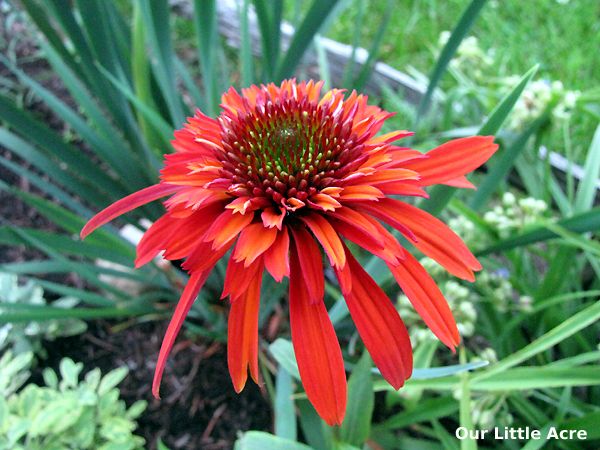
Echinacea 'Hot Papaya'


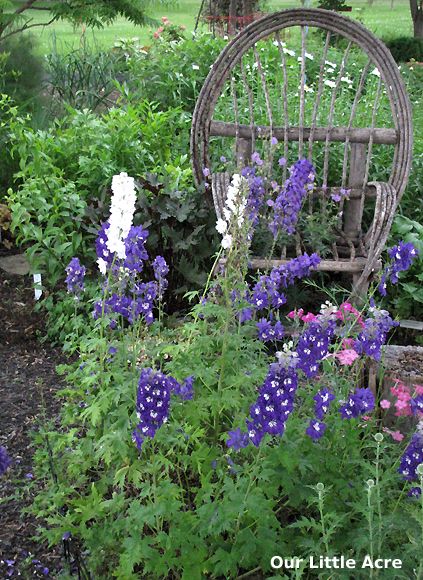
Mixed Delphiniums


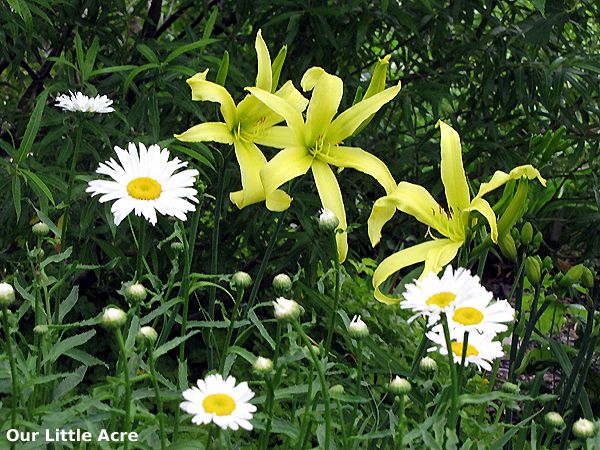
Daisies (Leucanthemum) and 'Ladyfingers' Daylily (Hemerocallis)


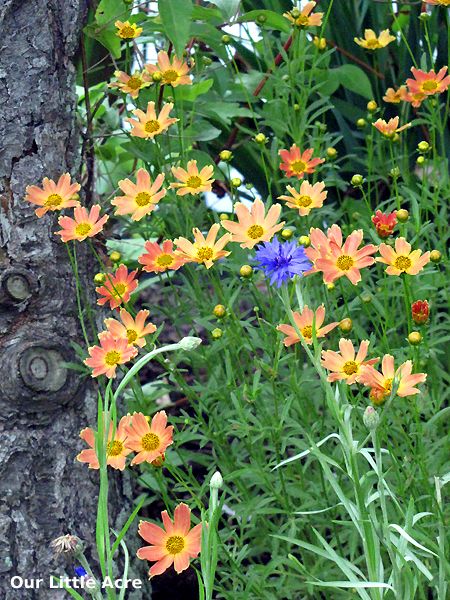
Coreopsis 'Sienna Sunset'


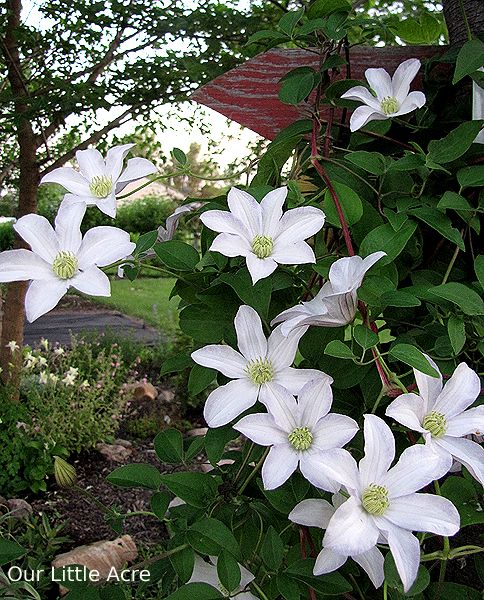
Clematis 'Huldine'


Ostrich Ferns (Matteuccia struthiopteris) with Houttuynia (Houttuynia cordata)


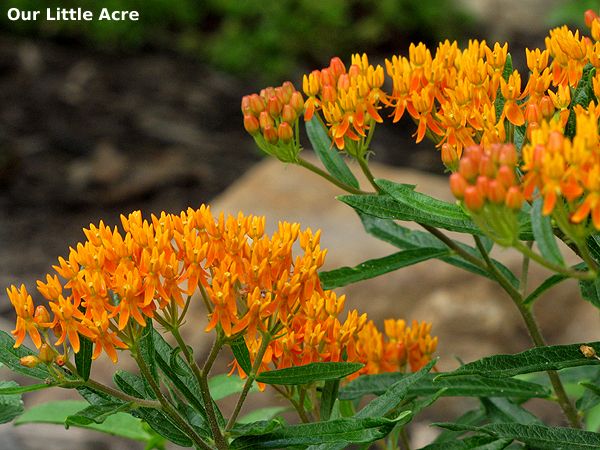
Butterfly Weed (Asclepias tuberosa)


Oakleaf Hydrangea (Hydrangea quercifolia 'Snow Queen')


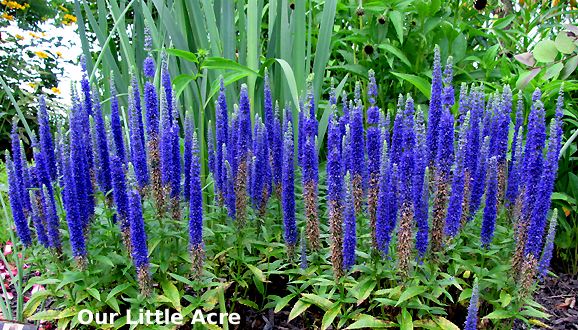
Veronica spicata 'Royal Candles'


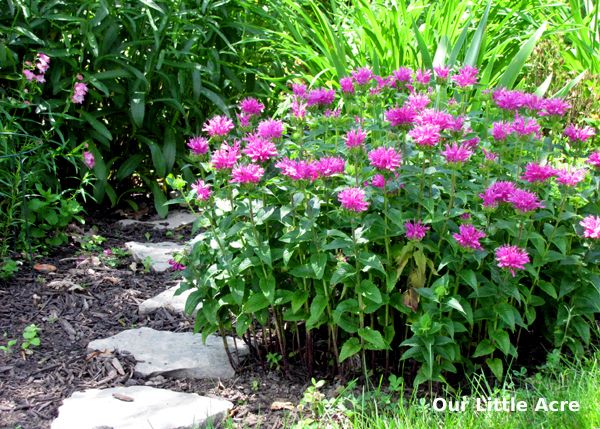
Monarda 'Petite Wonder'


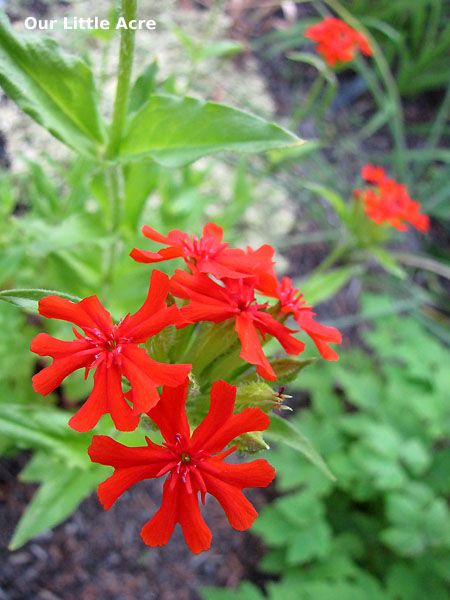
Maltese Cross (Lychnis chalcedonica)


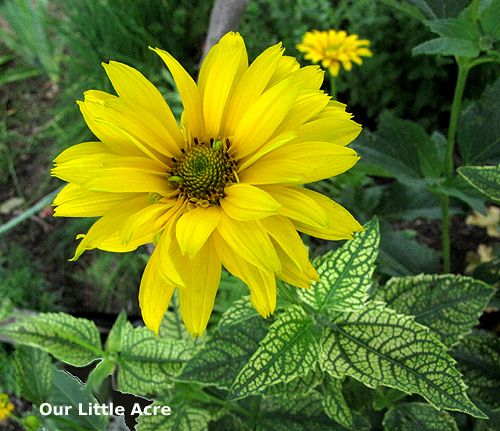
Heliopsis 'Loraine Sunshine'


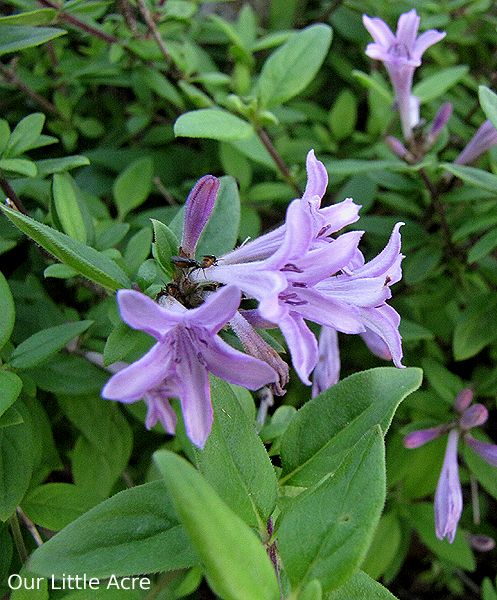
Leptodermis oblonga


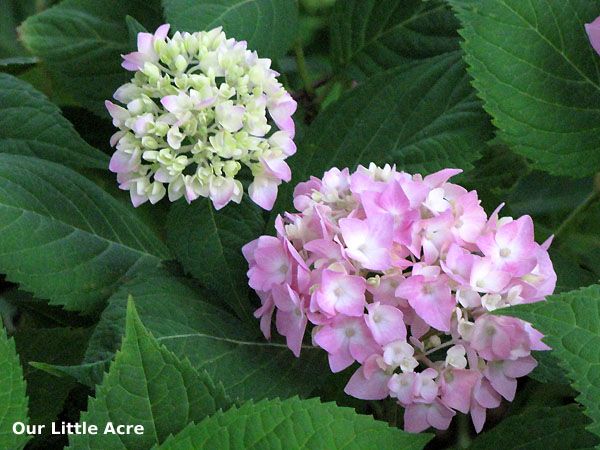
Endless Summer® Hydrangea (Hydrangea macrophylla 'Bailmer')


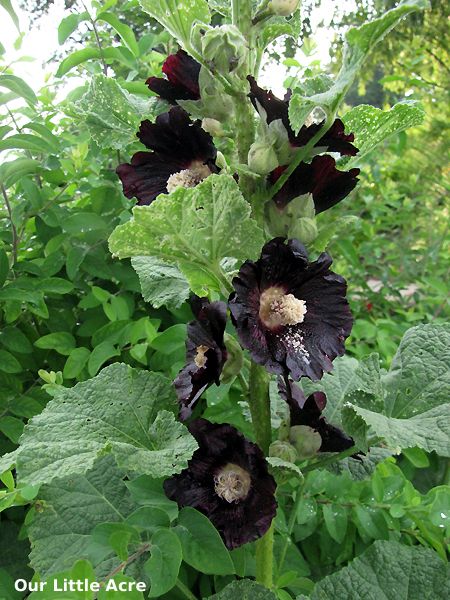
Black Hollyhock (Alcea rosea)


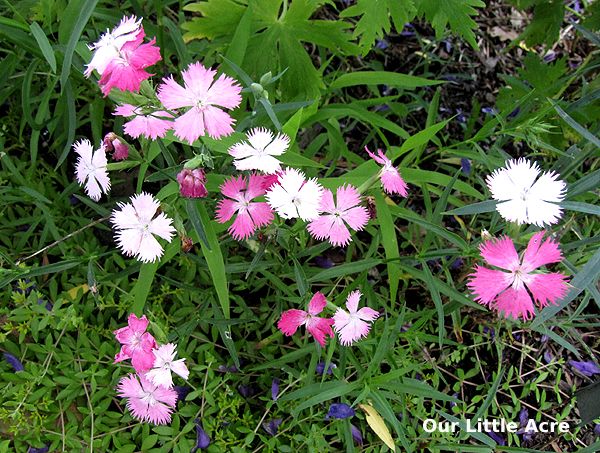
Dianthus 'First Love'


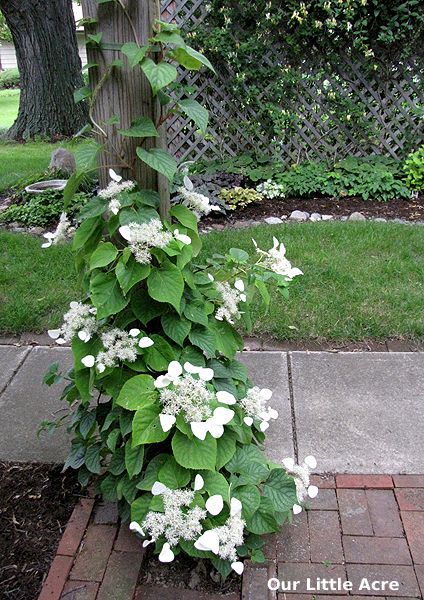
Japanese Climbing Hydrangea (Schizophragma hydrangeoides 'Moonlight')


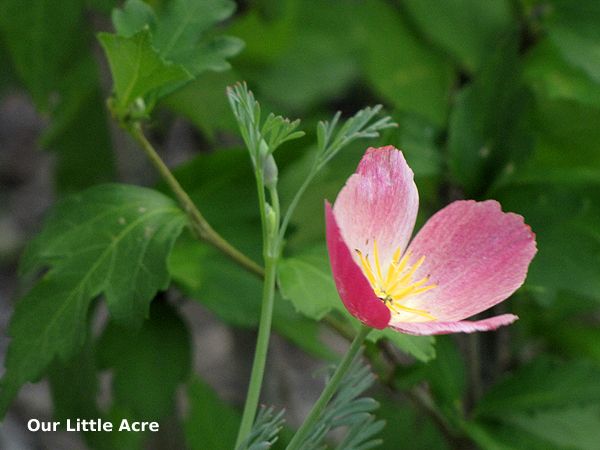
California Poppy (Eschscholzia californica 'Carmine King')


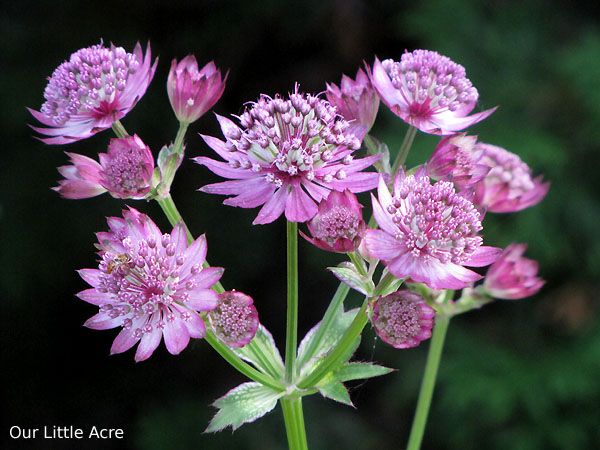
Masterwort (Astrantia major 'Ruby Wedding')


That's just part of what's blooming here. I LOVE this month!

Thanks, Carol, for once again hosting Garden Bloggers' Bloom Day, likely the most popular meme on the 'net! And thanks too, for expecting me to always be late in posting. I wouldn't want to let you down! :-)


blogger templates | Make Money Online